
Combining Psychedelics with Bioactive Peptides: A Compound-Specific Protocol Architecture
Why each psychedelic casts a different peptidergic shadow, and what that means for clinical protocol design.


Disclaimer and Disclosures
Scope and intended audience. This article is provided for scholarly and educational purposes. It is intended for clinicians, researchers, and qualified medical professionals engaged in the design or evaluation of clinical research protocols in psychedelic medicine and bioactive peptide therapeutics. It does not constitute medical advice, treatment recommendation, or guidance for self-administration of any kind.
Regulatory status. Many compounds discussed are Schedule I controlled substances under U.S. federal law, with restricted research access and no approved indications outside formal clinical trials. Several peptides discussed operate in regulatory ambiguity in the United States, lack FDA approval for the indications considered, and are not currently approved for therapeutic use in any combination with the psychedelic compounds discussed. The combinations specified have not been evaluated in formal clinical trials and have no established safety or efficacy profile in combination.
Safety. The protocol architecture described in this article should not be attempted outside controlled clinical settings supervised by appropriately licensed medical professionals. Self-administration of any compound discussed presents substantial risk of serious harm, including cardiac arrhythmia, serotonin syndrome, psychiatric decompensation, and death. Readers seeking treatment for psychiatric, neurological, or substance-use conditions should consult qualified medical professionals.
Liability. The author and publisher disclaim any liability for actions taken on the basis of this article. Use of this material as the basis for self-administered or unsupervised clinical practice is not authorized and is undertaken entirely at the reader’s risk.
Conflict of interest. The author is affiliated with BioUnbound Inc. and Prism Sciences LLC, which is engaged in the development of oral thin-film delivery platforms for peptide therapeutics relevant to several of the agents discussed. The discussion of OTF delivery in Section VIII reflects the author’s domain expertise and is not neutral with respect to commercial positioning. No specific BioUnbound product is named or endorsed in this article.
Abstract
Background. Psychedelic-assisted therapy and bioactive peptide therapeutics have advanced substantially since the publication of an earlier integrative essay on this convergence (Potter 2025). Three lines of contemporary neuroscience (direct psychedelic binding to the brain-derived neurotrophic factor receptor TrkB, compound-specific reopening of developmental critical periods, and the recognition that secondary receptor pharmacology shapes the qualitative character of the reopened plasticity window) now permit protocol-grade specification of psychedelic-peptide co-administration that earlier work could only sketch.
Objective. This narrative review develops a compound-specific protocol architecture for the integration of bioactive peptide co-administration with psychedelic-assisted therapy. The architecture is intended to provide a rational scaffolding for clinical trial design and for the next generation of integrative protocols, replacing the assumption that classical psychedelics, atypical compounds, and emerging non-hallucinogenic neuroplastogens engage interchangeable mechanisms.
Methods. A narrative review of preclinical and clinical literature on psychedelic pharmacology, peptide therapeutics, critical-period plasticity, and non-invasive peptide delivery was conducted through April 2026. Sources were drawn from PubMed, Web of Science, Scopus, Google Scholar, and trial registries, supplemented by recent regulatory communications and industry development reports.
Results. A four-phase protocol architecture is developed: priming (1–4 weeks pre-session), acute session augmentation, plasticity-window consolidation (compound-scaled, ranging from hours for DMT to greater than four weeks for ibogaine), and long-term reintegration. Compound-specific protocols are specified for psilocybin, lysergic acid diethylamide, N,N-dimethyltryptamine and ayahuasca, 5-methoxy-N,N-dimethyltryptamine, 3,4-methylenedioxymethamphetamine, ibogaine, ketamine, and mescaline, with an additional section addressing emerging psychoplastogens including tabernanthalog, methylone (TSND-201), and salvinorin A. Each protocol matches peptide pairings to compound-specific polypharmacology, plasticity-window kinetics, and risk profile. Non-invasive delivery, primarily oral thin-film with enteric-coated and intranasal complementary routes, is foregrounded as the structural requirement that makes multi-peptide stacking clinically feasible.
Conclusions. The integration of psychedelic-assisted therapy with bioactive peptide co-administration is now sufficiently developed at the mechanistic level to support compound-specific protocol architecture. Substantial gaps remain in clinical validation, regulatory pathway, and equitable access, but the mechanistic scaffolding is mature enough to inform the design of the next generation of clinical research. The architecture developed here is presented as a protocol scaffold for subsequent empirical evaluation rather than as current standard of care.
Keywords: psychedelic-assisted therapy, bioactive peptides, neuroplasticity, critical period reopening, TrkB, oral thin film delivery, multimodal pharmacotherapy, protocol architecture
I. Introduction
Psychedelic-assisted therapy has reached a stage in its development where the convergence with adjacent therapeutic modalities is no longer speculative. Phase 3 trials of psilocybin for treatment-resistant depression are underway through both commercial and nonprofit programs (Compass Pathways 2025; Davis et al. 2021; Goodwin et al. 2022). MDMA-assisted therapy demonstrated substantial efficacy in severe and treatment-resistant post-traumatic stress disorder in pivotal Phase 3 trials (Mitchell et al. 2021, 2023), though regulatory approval was deferred pending additional data following the U.S. Food and Drug Administration’s August 2024 Complete Response Letter to Lykos Therapeutics (FDA 2024). Methylone (TSND-201), the β-ketone analog of MDMA developed by Transcend Therapeutics, has emerged as the first non-hallucinogenic neuroplastogen to demonstrate efficacy in a randomized placebo-controlled trial, with Phase 2 IMPACT-1 results published in JAMA Psychiatry and FDA Breakthrough Therapy designation granted in July 2025 (Jones et al. 2025; Transcend Therapeutics 2025, 2026). 5-Methoxy-N,N-dimethyltryptamine programs are advancing through Phase 1/2 stages with both vaporized (GH001, GH Research) and intranasal (BPL-003, Beckley Psytech) formulations (Reckweg et al. 2023; Rucker et al. 2024). Phase 1/2 evidence for ibogaine has emerged from observational cohort studies in special operations forces veterans with traumatic brain injury and post-traumatic stress disorder (Cherian et al. 2024). The clinical landscape is actively reshaping, and the integrative therapeutic strategies developed alongside it must keep pace.
A 2025 essay by the present author (Potter 2025) outlined the rationale for combining psychedelic therapy with bioactive peptide co-administration, identifying the convergence of psychedelic-induced neuroplasticity with peptide-mediated neurotrophic, anti-inflammatory, and metabolic actions as a promising therapeutic frontier. That essay proposed a single hypothetical protocol oriented around psilocybin and selected supportive peptides. While correct in direction, the analysis was insufficiently differentiated by compound, did not engage the specific receptor pharmacology that distinguishes psychedelics from one another, and did not address the temporal scaffolding that compound-specific plasticity-window kinetics require. The present review extends that earlier work toward protocol-grade specification.
Three lines of contemporary neuroscience define the foundation on which such specification rests. The first is the demonstration by Moliner and colleagues (2023) that lysergic acid diethylamide and psilocin bind directly to the TrkB receptor with affinities approximately one thousand-fold higher than those of conventional antidepressants such as fluoxetine and ketamine, acting as positive allosteric modulators of endogenous brain-derived neurotrophic factor signaling rather than as direct receptor agonists. This finding establishes that psychedelic-induced neuroplasticity depends on TrkB and BDNF signaling, not on serotonin 2A receptor activation per se, and that the cellular substrate of post-acute plasticity is mechanistically distinct from the substrate of acute hallucinogenic experience.
The second is the work by Nardou, Sawyer, Song, and colleagues (2023) extending Dölen’s earlier demonstration that 3,4-methylenedioxymethamphetamine reopens a juvenile-like critical period for social reward learning (Nardou et al. 2019). Their comparative study established that ibogaine, ketamine, MDMA, lysergic acid diethylamide, and psilocybin all reopen the same critical period, but with markedly different durations that scale with the acute pharmacokinetic profile of each compound: approximately forty-eight hours for ketamine, two weeks for MDMA and psilocybin, three weeks for LSD, and more than four weeks for ibogaine. This temporal scaling has direct architectural consequences for combination therapy: peptide adjuncts intended to reinforce plasticity must be matched not only in mechanism but in duration to the compound-specific window during which the plasticity substrate remains pharmacologically receptive.
The third is the recognition, articulated in a 2025 review by Vargas and colleagues and developed extensively in contemporary monograph-length treatments of psychedelic neurobiology, that 5-HT₂A agonism determines whether a critical period opens, while secondary receptor engagement (D₂ for LSD, sigma-1 for DMT, kappa-opioid and NMDA for ibogaine, oxytocinergic for MDMA, NMDA for ketamine) shapes its qualitative character, its preferred learning content, and the peptidergic systems each compound co-mobilizes (Vargas et al. 2025; Potter 2026). This polypharmacological framework dissolves the assumption that psychedelics are interchangeable “5-HT₂A keys” and provides the mechanistic basis for compound-by-compound mapping of peptide pairings to receptor pharmacology.
These three lines of work converge to make protocol-grade specification possible. They establish that the therapeutic effect of psychedelic medicine is mediated by a pharmacologically defined plasticity window whose duration, qualitative character, and peptidergic shadow are compound-specific. They identify the rate-limiting features of psychedelic monotherapy that bioactive peptide co-administration is positioned to address: the asymmetry between the intensity of acute support and the absence of pharmacological reinforcement during consolidation; the side-effect burden of acute psychedelic states that compound-specific peptide adjuncts can mitigate; and the residual neuroinflammatory and metabolic dysregulation that often persists in patients with treatment-resistant psychiatric illness and that may limit the durability of psychedelic-induced improvements. They make clear that earlier integrative thinking, which treated psychedelic and peptide modalities as parallel tracks reinforcing one another at the level of generic outcomes, has been superseded by a more demanding structural challenge: specifying which peptides should accompany which psychedelics, in what phase of the therapeutic arc, at what doses, and through what delivery routes.
Three contributions distinguish this review from earlier work. First, it organizes peptide co-administration around the temporal scaffolding of psychedelic plasticity rather than around generic enhancement of psychotherapeutic process, providing pharmacological reinforcement of the consolidation window that current clinical practice leaves unaddressed. Second, it specifies peptide pairings at the level of individual compounds and indications, replacing the assumption that psychedelics are interchangeable with a compound-by-compound mapping of polypharmacology to peptide adjuncts. Third, it foregrounds non-invasive delivery (oral thin-film, enteric-coated, and intranasal) as a structural requirement of clinical scaling, eliminating the parenteral administration burden that has limited the practical viability of multi-peptide protocols in psychiatric practice.
The architecture developed here is a research scaffold. It is not a clinical recommendation. No psychedelic-peptide combination protocol has been tested in a Phase 3 clinical trial, and few have been formally evaluated at any clinical stage. The plasticity-window durations on which the architecture rests are derived from rodent assays and have not been directly characterized in humans. The compound-specific pairings rest on mechanistic extrapolation from established preclinical and clinical evidence at both the psychedelic and peptide ends, even where the specific psychedelic-peptide combination has not been directly tested. Several of the peptides featured most prominently (BPC-157, Selank, elamipretide) operate in regulatory ambiguity in the United States and would require investigational new drug status for formal clinical use within psychedelic protocols. The protocol architecture is presented as a framework for the design of such studies, not as a substitute for them.
The remainder of this review proceeds as follows. Section II describes the methods of the narrative review. Section III is reserved for a brief note on terminology and scope. Section IV develops the mechanistic foundation, building from critical-period reopening and TrkB pharmacology through the polypharmacological shaping of plasticity windows to the five peptidergic axes (neurotrophic, oxytocinergic, sigma-1, neuroinflammatory, and mitochondrial-proteostatic) that define the rational pairing space. Section V specifies the four-phase protocol architecture: priming, acute session augmentation, plasticity-window consolidation, and long-term reintegration. Section VI populates the architecture with compound-specific protocols for the major psychedelic compounds in clinical and research use, with an extended subsection on emerging psychoplastogens including tabernanthalog, methylone, and salvinorin A. Section VII identifies frontier extensions: speculative pairings for which mechanistic logic supports synergistic effect but for which neither component has been studied in the relevant context. Section VIII addresses non-invasive delivery science, the technical infrastructure on which multi-peptide protocols depend. Sections IX and X cover risk and contraindications, and the regulatory and intellectual property landscape, respectively. Section XI concludes.
II. Methods
II.1 Search strategy
This review synthesizes primary research, review literature, regulatory communications, and industry development reports relevant to the integration of psychedelic-assisted therapy with bioactive peptide co-administration. Literature searches were conducted in PubMed, Web of Science, Scopus, and Google Scholar for publications through April 2026, supplemented by the author’s prior comprehensive review of psychedelic-assisted therapy (Potter 2026), the cannabinoid-peptide multimodal pharmacotherapy literature (Potter 2026b), and a 2025 narrative essay on psychedelic-peptide synergy (Potter 2025). Trial registries including ClinicalTrials.gov and the European Union Drug Regulating Authorities Clinical Trials Database (EudraCT) were searched for ongoing and recently completed studies. Press releases, regulatory communications, and industry pipeline reports from sponsors with active psychedelic or peptide development programs were reviewed where they bore on protocol-relevant questions.
Search terms combined psychedelic compound descriptors (psilocybin, lysergic acid diethylamide, LSD, N,N-dimethyltryptamine, DMT, ayahuasca, 5-methoxy-N,N-dimethyltryptamine, 5-MeO-DMT, methylenedioxymethamphetamine, MDMA, ibogaine, ketamine, mescaline, tabernanthalog, methylone, salvinorin) with mechanism keywords (5-HT2A, TrkB, BDNF, sigma-1, kappa-opioid, NMDA, oxytocin, neuroplasticity, critical period, perineuronal net) and peptide therapeutic terms (BPC-157, Selank, Semax, elamipretide, SS-31, Cerebrolysin, Dihexa, oxytocin, davunetide, klotho, MOTS-c, humanin, cibinetide, ARA-290, KPV, thymosin). Additional searches addressed delivery-science topics (oral thin film, mucoadhesive, intranasal peptide, enteric-coated peptide), regulatory considerations (FDA Breakthrough Therapy, combination product, controlled substance scheduling), and intellectual property (psychedelic patent landscape, peptide combination patent).
II.2 Inclusion criteria and synthesis approach
Sources were selected on relevance to the protocol architecture rather than on uniform quality criteria, reflecting the interdisciplinary scope of the review and the heterogeneity of the available evidence. Peer-reviewed primary research and review articles were prioritized for mechanistic and clinical claims. Press releases and regulatory communications were used for currency on Phase 2 and Phase 3 trial outcomes, FDA designations, and industry pipeline status, with explicit attribution and acknowledgment of their non-peer-reviewed status. Where evidence was preclinical only, this is stated in the relevant section; where the recommendation rests on mechanistic extrapolation rather than direct clinical demonstration, this is also stated. The compound-specific protocols developed in Section VI rest variably on direct clinical evidence for the psychedelic component, established peptide pharmacology for each peptide adjunct, and mechanistic extrapolation for the specific combination, a hierarchy that is acknowledged within each protocol.
A narrative synthesis approach, rather than systematic review with formal meta-analysis, was adopted for three reasons. First, the heterogeneity of evidence across pharmacological, neurobiological, clinical, regulatory, and delivery-science domains is not amenable to standardized quality assessment or quantitative pooling. Second, the scope of the review, protocol-grade architectural specification across nine major psychedelic compounds and an emerging neuroplastogen class, exceeds the bandwidth of formal systematic methods. Third, the architectural contribution is theoretical and integrative rather than empirical; its validity depends on the mechanistic coherence of the proposed scaffolding rather than on aggregated effect sizes.
II.3 Limitations
Several limitations of this narrative approach warrant explicit acknowledgment. The non-systematic search strategy may have missed relevant publications, particularly in non-English-language literatures, in specialized peptide development reports, and in the gray literature of clinical trial registries. The absence of formal quality scoring means that methodological limitations of cited studies are addressed within the narrative rather than through standardized risk-of-bias assessment. As a single-author review, this work lacks the redundancy and quality control mechanisms of multi-reviewer systematic reviews. The clinical and regulatory landscape (particularly for methylone, MDMA, and emerging non-hallucinogenic neuroplastogens) is changing fast enough that some claims will require revision within months of publication.
The review intentionally excludes consideration of the political-economic dimensions of contemporary psychedelic medicine: corporate consolidation, patent enclosure, equity of access, and the relationship between commercial development pathways and indigenous medicinal traditions. These topics are substantive, important, and the subject of separate analysis by the author and others. They are deliberately set aside here so that the structural contribution can be evaluated on its mechanistic and clinical merits alone. The reader is referred to forthcoming work for that adjacent analysis.
The protocol architecture developed here is intended for adult patients in research and clinical settings with appropriate medical and psychiatric supervision. It does not address pediatric or adolescent applications, ceremonial or religious use of plant medicines (which exists outside and prior to the clinical-medical frame), self-administration of any compound, or the use of any agent discussed for purposes other than evidence-supported therapeutic indications.
III. A Note on Terminology and Scope
Throughout this review, the term psychedelic is used in its conventional pharmacological sense to refer to compounds that produce alterations of perception, mood, and cognition primarily through serotonergic mechanisms (psilocybin, LSD, DMT, 5-MeO-DMT, mescaline) or through related mechanisms producing comparable subjective effects (MDMA, ibogaine, ketamine). The term neuroplastogen is used for compounds that promote structural neural plasticity through TrkB-mediated mechanisms; this category overlaps substantially with psychedelics but extends to non-hallucinogenic compounds (tabernanthalog, methylone). The term psychoplastogen, developed in the medicinal chemistry literature, is used interchangeably with neuroplastogen in some sections, following the usage of the cited authors. Critical period refers strictly to biologically defined windows of heightened synaptic plasticity governed by developmental mechanisms, while plasticity window refers to the functional interval during which reopened plasticity can be shaped by experience and psychotherapy. These terms describe distinct but nested processes operating at molecular, systems, and experiential levels, and their precise usage matters for the protocol architecture developed here.

IV. Mechanistic Foundation
The first generation of integrative thinking about psychedelic therapy and bioactive peptides treated the two domains as parallel tracks that might reinforce one another at the level of generic outcomes: both promote neuroplasticity, both reduce neuroinflammation, both are amenable to non-invasive delivery. While not incorrect, this framing fails to specify which peptides should accompany which psychedelics, in what phase of the therapeutic arc, and for what mechanistic reason. A protocol-grade architecture requires resolving these questions at the level of receptor pharmacology, plasticity-window kinetics, and the peptidergic systems that each compound co-mobilizes. Three lines of recent neuroscience converge to make such resolution possible: the demonstration that classical psychedelics bind directly to the BDNF receptor TrkB; the discovery that psychedelics reopen developmental critical periods whose duration scales with the pharmacokinetics of each compound; and the recognition that secondary receptor engagement, not 5-HT₂A activation alone, determines the qualitative character of the reopened plasticity window.
4.1 Critical-period reopening and the molecular brakes on adult plasticity
The seminal work by Nardou, Sawyer, Song, et al. (2023) extended Dölen’s earlier demonstration that 3,4-methylenedioxymethamphetamine (MDMA) reopens a juvenile-like critical period for social reward learning (Nardou et al. 2019). Their comparative study established that ibogaine, ketamine, MDMA, lysergic acid diethylamide (LSD), and psilocybin all reopen the same critical period, but with markedly different durations. Using a social conditioned place preference paradigm in mice, they showed that the duration of the reopened plasticity window scales with the acute pharmacokinetic profile of each compound: ketamine reopened the period for approximately forty-eight hours, MDMA and psilocybin for roughly two weeks, LSD for three weeks, and ibogaine for more than four weeks (Nardou et al. 2023). Subsequent comparative work in pharmacological models corroborates this proportionality (Banushi and Polito 2023; Marchoir et al. 2024), and a single intraperitoneal dose of LSD at 1 μg/kg has been shown to induce a critical period of approximately three weeks’ duration, second only to ibogaine among the compounds tested (Banushi and Polito 2023).
This temporal scaling has direct architectural consequences for combination therapy. A peptide adjunct intended to amplify plasticity must be matched not only in mechanism but in duration. A short-acting neurotrophic peptide will fail to bracket an ibogaine plasticity window; a long-acting agent will outlast a DMT window by orders of magnitude and may produce off-target effects when the system has already returned to baseline. The implication is that compound-specific pharmacokinetic envelopes generate compound-specific peptide-pairing windows, and protocols that ignore this scaling will fail to capture the available synergy.
At the cellular level, the brakes that close developmental critical periods in the visual cortex have proven translatable to limbic circuits relevant to psychiatric disease (Lepow, Morishita, and Yehuda 2021). Three molecular brakes are particularly well characterized: perineuronal nets (PNNs), specialized chondroitin sulfate proteoglycan-rich extracellular matrix structures that ensheathe parvalbumin-positive (PV) GABAergic interneurons; myelin-related Nogo receptor signaling, which suppresses axonal sprouting and synaptic remodeling; and Lynx family proteins, endogenous nicotinic acetylcholine receptor modulators that restrict cholinergic-dependent plasticity (Bernard and Prochiantz 2016; Reh et al. 2020). Pizzorusso and colleagues showed that enzymatic disruption of PNNs in adult animals reactivates juvenile ocular dominance plasticity (Pizzorusso et al. 2002), establishing PNNs as a principal molecular brake. Subsequent work has extended this finding to fear-memory circuits in the hippocampus, amygdala, and prefrontal cortex (Murthy et al. 2019; Nabel and Morishita 2013).
The mechanism by which psychedelics reopen this gating is multifactorial. Microglia mediate PNN disassembly following ketamine exposure (Venturino et al. 2021), and subanesthetic ketamine reactivates adult cortical plasticity by reducing PNN integrity around PV interneurons (Grieco et al. 2020). Classical psychedelics increase BDNF expression and TrkB signaling (Ly et al. 2018; Castrén and Antila 2017), and Moliner and colleagues showed that LSD and psilocin bind directly to TrkB with affinities approximately one thousand-fold higher than those of conventional antidepressants such as fluoxetine and ketamine, acting as positive allosteric modulators of endogenous BDNF action rather than as direct receptor agonists (Moliner et al. 2023). Critically, the plasticity-promoting effect of psychedelics is preserved in mice with mutated TrkB (Y433F) and abolished by TrkB receptor blockade, while the head-twitch response, a behavioral proxy for 5-HT₂A activation, remains intact (Moliner et al. 2023). This dissociation establishes that psychedelic-induced neuroplasticity depends on TrkB and BDNF, not on 5-HT₂A activation per se. A 2025 review in Trends in Pharmacological Sciences synthesizes this evidence within an emerging framework of biased agonism, intracellular receptor localization, and multi-target engagement that increasingly distinguishes the plasticity-promoting effects of psychedelics from their hallucinogenic effects (Vargas et al. 2025).
The cellular cascade downstream of this multipoint engagement has been mapped with increasing precision. TrkB activation recruits the mammalian target of rapamycin (mTOR) pathway, drives matrix metalloproteinase activity that remodels the extracellular matrix, and increases dendritic spine density and dendritogenesis in the medial prefrontal cortex and hippocampus, with effects detectable for weeks after a single dose (Shao et al. 2021; Weiss et al. 2025; Ly et al. 2018). Concurrent shifts in excitatory–inhibitory balance, mediated by alterations in PV interneuron function and PNN integrity, complete the molecular conditions for a juvenile-like learning state (Hensch 2005; Takesian and Hensch 2013).
4.2 Polypharmacology shapes the plasticity window
A common misreading of contemporary psychedelic neuroscience treats the compounds as interchangeable “5-HT₂A keys” that produce a generic plasticity state. The empirical record contradicts this interpretation. While 5-HT₂A agonism on layer V pyramidal neurons is widely accepted as the necessary trigger for the acute psychedelic state and its associated cortical entropy (Nichols 2016; Carhart-Harris and Friston 2019), secondary receptor engagement determines what kind of plasticity window opens, what content it preferentially encodes, and which peptidergic systems are co-mobilized. Recent reviews emphasize that the molecular interactome of psilocin, the active metabolite of psilocybin, includes substantial activity at 5-HT₁A, 5-HT₂B, 5-HT₂C, and TrkB receptors, with biased agonism and intracellular receptor localization further differentiating its effects from those of structurally distinct compounds (Vargas et al. 2025).
These distinctions become consequential when comparing compounds that share the 5-HT₂A trigger but diverge in their broader pharmacology. LSD engages 5-HT₁A, 5-HT₂C, dopamine D₂, and adrenergic receptors in addition to 5-HT₂A, producing a prolonged experiential arc characterized by sustained ideational exploration, salience attribution, and conceptual elaboration (Nichols 2016; Banushi and Polito 2023). Dopaminergic engagement contributes to LSD’s distinctive capacity for meaning-amplification and may be relevant when selecting peptide adjuncts that affect dopaminergic tone. DMT functions as an endogenous agonist at the sigma-1 receptor (Sig-1R) in addition to its 5-HT₂A activity, and sigma-1 activation has been implicated in DMT’s neuroprotective and immunomodulatory actions, in the modulation of NMDA glutamatergic transmission, and in the reversal of experimentally induced amnesia (Inserra 2018; Szabo et al. 2014). 5-MeO-DMT shows preferential affinity for 5-HT₁A relative to 5-HT₂A, contributing to its distinctive nondual phenomenology and its capacity to produce identity-level rather than narrative reorganization (Nour et al. 2016).
Ibogaine and its active metabolite noribogaine present the clearest case in which polypharmacology qualitatively reconfigures the reopened critical period. Beyond its weak 5-HT₂A activity, ibogaine engages NMDA receptors, kappa-opioid receptors, sigma receptors, and monoamine transporters, and increases glial cell line-derived neurotrophic factor (GDNF) expression in the ventral tegmental area (Carnicella et al. 2010; Cameron et al. 2021). The resulting hybrid neurobiological state combines psychedelic destabilization with dissociative, oneirogenic, and opioid-modulatory effects, producing a structured autobiographical life review accompanied by prolonged post-acute reorganization (Mash et al. 2018; Brown and Alper 2018). The plasticity window is longer than that of psilocybin and differently organized, prioritizing moral evaluation, habit interruption, and narrative coherence. Ketamine, an NMDA receptor antagonist with weaker activity at sigma-1 and mu-opioid receptors, produces a dissociative state in which the coupling between negative affect and high-level priors is weakened, and its plasticity window of approximately forty-eight hours is the shortest among the compounds reviewed (Abdallah et al. 2018; Krystal et al. 1994). MDMA, finally, acts primarily as a substrate at serotonin, norepinephrine, and dopamine transporters, releasing these monoamines and triggering substantial oxytocin and vasopressin release through mechanisms that include 5-HT₁A and 5-HT₄ engagement (Dölen and Malenka 2014; Liechti 2014). Its effects on attachment circuitry distinguish it from classical serotonergic psychedelics and orient the relevant peptide adjuncts toward attachment-related neuropeptide systems.
The architectural consequence is that 5-HT₂A agonism determines whether a critical period opens, while secondary receptor engagement shapes its phenomenological geometry, its preferred learning content, and the peptidergic shadow it casts. This shadow, the set of endogenous peptide systems each psychedelic mobilizes during the acute and post-acute phases, provides the primary rationale for compound-specific peptide pairings.
4.3 The peptidergic shadow of psychedelic action
Every compound discussed in this review activates or modulates one or more endogenous peptide systems, and these peptidergic effects are increasingly recognized as central to therapeutic outcome rather than incidental to it. Mapping these endogenous peptide responses provides the entry point for rational exogenous peptide co-administration. Five peptidergic axes are particularly relevant.
The neurotrophin axis. All classical psychedelics engage BDNF/TrkB signaling, with LSD and psilocin acting as direct positive allosteric modulators of TrkB at affinities orders of magnitude higher than those of conventional antidepressants (Moliner et al. 2023). The downstream cascade (mTOR activation, dendritogenesis, increased spine density, and enhanced long-term potentiation) defines the cellular substrate of post-acute plasticity (Shao et al. 2021; Ly et al. 2018). Exogenous neurotrophic peptide mixtures such as Cerebrolysin, which contains low-molecular-weight fragments mimicking BDNF, NGF, GDNF, and CNTF, and the angiotensin IV-derived hexapeptide Dihexa, which acts as an agonist at the hepatocyte growth factor receptor c-Met to promote synaptogenesis, present mechanistically aligned augmentation strategies for the post-acute window (Anandan et al. 2024; McCoy et al. 2013). Their evidence base is strongest in populations with baseline neurological impairment, a population that overlaps substantially with patients receiving psychedelic-assisted therapy for treatment-resistant depression, post-traumatic stress disorder (PTSD), and chronic substance use disorders.
The oxytocinergic axis. MDMA’s reopening of the social reward learning critical period is at least partly oxytocin-dependent, requiring oxytocin receptor activation in the nucleus accumbens (Nardou et al. 2019). MDMA acutely elevates plasma oxytocin and vasopressin, and these effects correlate with the empathogenic and prosocial features of the experience (Dumont et al. 2009; Kuypers et al. 2014). Plasma oxytocin levels are reduced in patients with PTSD relative to healthy controls (Carmassi et al. 2021), and intranasal oxytocin reduces amygdala hyperactivity, enhances amygdala–ventromedial prefrontal cortex connectivity, and attenuates symptom severity in some PTSD trials (Frijling 2017; Stauffer et al. 2022). The convergence of these findings supports oxytocin co-administration during MDMA-assisted therapy as a candidate strategy for amplifying attachment-related learning during the reopened critical period, though no controlled trial has yet tested the combination directly. Beyond MDMA, classical psychedelics also modulate hypothalamic oxytocin and vasopressin gene expression in preclinical models, suggesting that oxytocinergic adjuncts may be relevant to a broader range of compounds than is currently appreciated (Acevedo-Diaz et al. 2024).
The sigma-1 axis. The endogenous DMT–sigma-1 system represents an underexploited peptidergic interface. Sigma-1 activation reorganizes G-protein coupled receptor heteromer complexes, modulates intracellular calcium homeostasis at the mitochondria-associated endoplasmic reticulum membrane, promotes proteostasis, and counteracts experimental amnesia through cholinergic and NMDA glutamatergic enhancement (Inserra 2018; Ren et al. 2022). Sigma-1 activation by DMT attenuates spreading depolarization and restrains neurodegeneration in the ischemic rat brain (Szabo et al. 2014; Frecska et al. 2013). For DMT, ayahuasca, and 5-MeO-DMT protocols, peptide adjuncts that reinforce sigma-1-mediated proteostasis and excitatory–inhibitory balance, a category in which mitochondrial-targeted peptides such as elamipretide (SS-31) are particularly well positioned, represent a coherent if speculative pairing.
The neuroinflammatory axis. Psychedelics produce sustained reductions in inflammatory cytokines following acute administration. A controlled trial in healthy volunteers demonstrated that psilocybin produced an immediate reduction in tumor necrosis factor-α (TNF-α) and persistent reductions in interleukin-6 (IL-6) and C-reactive protein at one-week follow-up, with the magnitude of cytokine reduction correlating with improvements in mood and social functioning (Mason et al. 2023). Activation of 5-HT₂A receptors on immune cells reduces pro-inflammatory cytokine production through mechanisms characterized in detail by Nichols and colleagues, who showed that the 5-HT₂A agonist (R)-DOI produces super-potent anti-inflammatory effects in rodent models, decreasing TNF-α and IL-6 at doses below the threshold for behavioral effects (Flanagan and Nichols 2018; de Deus et al. 2025). This anti-inflammatory tone overlaps mechanistically with the actions of several therapeutic peptides: body protection compound 157 (BPC-157), which reduces inflammation and accelerates tissue repair through angiogenic and anti-cytokine effects (Jóźwiak et al. 2025); the tripeptide Lys-Pro-Val (KPV), which inhibits NF-κB signaling and reduces gut inflammation; cibinetide (ARA-290), an erythropoietin-derived undecapeptide that engages the innate repair receptor without erythropoietic effects; and thymosin-α1, which shifts immune balance toward regulatory phenotypes. Co-administration of these peptides during the priming and integration phases addresses the same inflammatory substrate that psychedelics transiently reset.
The mitochondrial-proteostatic axis. Sustained 5-HT₂A activation, combined with the metabolic demands of dendritogenesis and synaptic remodeling, places significant energetic and oxidative stress on neurons during and after the acute psychedelic state. MDMA in particular produces well-characterized mitochondrial dysfunction at supraphysiological doses through serotonergic neurotoxicity and oxidative stress (Capela et al. 2009), and ibogaine carries documented cardiac mitochondrial concerns mediated by hERG potassium channel block and noribogaine accumulation (Koenig and Hilber 2015). Mitochondrial-targeted peptides directly address this rate-limiting constraint (Birk et al. 2014; Zhao et al. 2019). The most relevant is elamipretide (SS-31), a synthetic tetrapeptide that selectively binds cardiolipin in the inner mitochondrial membrane to stabilize electron transport chain organization, scavenge reactive oxygen species, and reduce oxidative damage. Elamipretide crosses the blood–brain barrier independently of mitochondrial membrane potential and accumulates at concentrations more than one thousand-fold higher in mitochondria than in cytosol (Szeto 2014). It has demonstrated neuroprotective effects in rodent models of traumatic brain injury, sleep deprivation–induced cognitive impairment, and lipopolysaccharide-induced memory deficits (Zhu et al. 2018; Chen et al. 2024; Zhao et al. 2019). Within a psychedelic protocol, mitochondrial peptide co-administration is most defensible for compounds with documented mitochondrial liability (MDMA, ibogaine) and for patient populations with elevated baseline oxidative stress.
These five axes (neurotrophic, oxytocinergic, sigma-1, neuroinflammatory, and mitochondrial-proteostatic) define the dominant peptidergic shadow of contemporary psychedelic pharmacology. They do not exhaust the peptide systems engaged by psychedelics, but they identify the targets at which mechanistically rational co-administration is most defensible.
4.4 What peptide co-administration addresses that psychedelic monotherapy does not
Three rate-limiting features of standard psychedelic-assisted therapy resist resolution within the pharmacological frame of the psychedelic alone. Each maps onto a peptidergic intervention.
The first is the asymmetry between the acute experience and the post-acute consolidation window. The intensity of preparation and dosing-day support in current clinical practice is not matched by comparable pharmacological reinforcement of the plasticity window during the days and weeks that follow. Psychotherapy and integration sessions provide essential experiential scaffolding (Watts and Luoma 2020), but the underlying neurobiological window (the elevated TrkB signaling, the partial PNN remodeling, the shifted excitatory-inhibitory balance) receives no pharmacological reinforcement once the acute drug effects have resolved. Neurotrophic peptide co-administration during this window directly addresses this gap.
The second is the side-effect burden of acute psychedelic states, particularly for compounds with cardiovascular liability (ibogaine), oxidative stress (MDMA), or autonomic activation (high-dose psilocybin, LSD). Peptide adjuncts with established profiles in mitigating these specific liabilities, anxiolytic peptides such as Selank for autonomic regulation (Filatova et al. 2017); mitochondrial peptides such as elamipretide for oxidative protection (Birk et al. 2014); cardiac-protective peptides such as cibinetide (Brines et al. 2008), offer a precision toolkit for managing acute risk without compromising therapeutic effect.
The third is the residual neuroinflammatory and metabolic dysregulation that often persists in patients with treatment-resistant psychiatric illness and that may limit the durability of psychedelic-induced improvements. Peripheral inflammation, gut barrier dysfunction, and hypothalamic-pituitary-adrenal axis dysregulation are increasingly recognized as comorbid features of major depressive disorder, PTSD, and chronic substance use disorders (Felger and Lotrich 2013; Pace and Heim 2011). Anti-inflammatory and barrier-restoring peptides administered during priming and integration phases address the systemic substrate that psychedelic pharmacology only partially modulates.
These three rate-limiting features motivate the four-phase architecture detailed in Section V. They justify peptide co-administration as resolution of constraints intrinsic to psychedelic monotherapy. Current clinical protocols largely ignore these constraints because the available toolkit has not been organized to address them.

V. Four-Phase Protocol Architecture
Mechanistic logic dictates that bioactive peptide co-administration with psychedelic therapy be organized into four temporally distinct phases, each with its own targets, agents, and delivery considerations. The phases are not arbitrary partitions but reflect distinct biological windows during which different peptidergic interventions are most likely to confer benefit. Compound-specific protocols, addressed in Section VI, populate this architecture with specific agents matched to the polypharmacology and plasticity-window kinetics of each psychedelic. The architecture itself is general.
A practical constraint shapes the architecture throughout: peptide stacking. Combination protocols quickly become unworkable when each component requires parenteral administration, and patient compliance, already challenging in chronic psychiatric populations, collapses under the burden of multiple injections per day. Non-invasive delivery is therefore not a stylistic preference but a structural requirement of any protocol intended for clinical scaling. Two delivery modalities meet this requirement for most peptides relevant to psychedelic therapy: pre-gastric oral thin-film (OTF) delivery via the buccal or sublingual mucosa, which avoids first-pass metabolism and degradation by gastric acid and intestinal proteases; and enteric-coated formulations that protect peptide cargo through the stomach for release in the proximal small intestine, where targeted permeation enhancement and cyclodextrin complexation can achieve clinically useful systemic exposure. Recent advances in mucoadhesive bilayer film design with chitosan-shelled liposomal nanocarriers, thiolated polymer matrices that simultaneously inactivate cysteine proteases and adhere to mucin glycoproteins, and protease-resistant cyclic or lipidated peptide architectures have reduced proteolytic degradation during buccal residence by greater than 90% in ex vivo Franz cell systems and have produced systemic exposure approaching that of subcutaneous injection in pilot pharmacokinetic studies (Lee et al. 2023; Maher et al. 2019; Brayden et al. 2020). For peptides whose physicochemical properties resist OTF formulation, intranasal delivery (already established for oxytocin, insulin, and several other clinically relevant peptides) provides a complementary non-invasive route. The protocol architecture below assumes a hierarchy of preferred routes: OTF first, intranasal second, enteric oral third, with parenteral administration reserved only for peptides where no non-invasive formulation has yet achieved adequate bioavailability.
5.1 Priming phase (one to four weeks pre-session)
The priming phase optimizes the neurobiological substrate on which psychedelic action will subsequently be exerted. Three targets dominate: systemic inflammation, autonomic regulation, and mitochondrial-metabolic readiness.
Patients arriving for psychedelic-assisted therapy frequently present with elevated peripheral inflammatory markers, particularly IL-6, TNF-α, and C-reactive protein, reflecting the inflammatory phenotype increasingly recognized in chronic psychiatric illness (Felger and Lotrich 2013; Köhler et al. 2017). Elevated baseline inflammation may attenuate the magnitude or durability of psychedelic-induced cytokine reduction (Mason et al. 2023) and is itself associated with poorer treatment response in conventional pharmacotherapy. Daily oral thin-film administration of BPC-157 (typically 250–500 μg, sublingual) during the priming phase reduces gut inflammation, supports mucosal barrier integrity, and produces measurable reductions in systemic inflammatory tone (Sikirić et al. 2020; Jóźwiak et al. 2025). Co-administration of the tripeptide KPV (typically 500 μg, sublingual or enteric oral) targets NF-κB-mediated cytokine production and has shown particular utility in patients with comorbid gastrointestinal inflammation. Where indicated by elevated inflammatory markers or autoimmune comorbidity, weekly sublingual or transdermal thymosin-α1 (1.6 mg) supports a regulatory immune phenotype.
Autonomic regulation is the second priming target. Patients with PTSD, treatment-resistant depression, and severe anxiety disorders typically exhibit elevated sympathetic tone, blunted heart rate variability, and dysregulated cortisol rhythms, features that may amplify the autonomic burden of acute psychedelic states and increase the likelihood of overwhelming or panic-prone experiences. The synthetic heptapeptide Selank, derived from the immunomodulatory peptide tuftsin, exerts anxiolytic and neuromodulatory effects without sedation, increases BDNF expression, reduces IL-6, and stabilizes GABAergic signaling under stress conditions (Filatova et al. 2017; Volkova et al. 2016). Daily intranasal Selank (typically 75–150 μg) during the two weeks preceding the dosing session reduces baseline anxiety, improves sleep architecture, and prepares the autonomic substrate for the acute psychedelic state. The related ACTH-fragment peptide Semax has complementary nootropic and mood-elevating properties and may be considered where cognitive optimization is also indicated.
The third priming target is mitochondrial and metabolic readiness. Mitochondrial dysfunction, oxidative stress, and impaired bioenergetic capacity are characteristic of chronic stress-related psychiatric illness (Picard and McEwen 2018) and may limit the cellular substrate for the dendritogenesis and synaptic remodeling that follow psychedelic administration. Daily oral or sublingual elamipretide (SS-31; typically 5–10 mg) during the priming phase stabilizes cardiolipin in the inner mitochondrial membrane, optimizes electron transport chain organization, and reduces reactive oxygen species production (Birk et al. 2014; Szeto 2014). For patients with documented mitochondrial liability or planned exposure to compounds with mitochondrial side effects (particularly MDMA and ibogaine), elamipretide priming is mechanistically defensible and represents one of the more strongly evidenced peptide interventions across the protocol.
A baseline panel that quantifies the inflammatory, autonomic, and metabolic targets of priming (including high-sensitivity CRP, IL-6, TNF-α, heart rate variability, salivary cortisol rhythm, and where available, peripheral mitochondrial function markers) should guide individualized priming intensity. The priming phase is not optional; it is the substrate-preparation step on which the acute and consolidation phases depend.
5.2 Acute session augmentation
The dosing session represents the narrowest window in the protocol but the most kinetically demanding. Peptides administered during this window must reach therapeutic concentrations rapidly, must not interfere with the subjective character of the psychedelic experience, and must address compound-specific risks and synergies. Three categories of intervention are relevant.
The first is experience-shaping co-administration. Where the therapeutic objective requires amplification of a specific peptidergic effect that the psychedelic engages endogenously, exogenous peptide administration can reinforce that effect at the moment of maximum therapeutic leverage. The clearest case is intranasal oxytocin (typically 24–40 IU) administered approximately thirty minutes before the onset of MDMA effects, which reinforces the attachment-related neurochemistry of the relational portal (Nardou et al. 2019; Mithoefer et al. 2019). Oxytocin’s short half-life (3–10 minutes peripherally, longer centrally) makes timing critical. For sessions where the therapeutic emphasis is symbolic and autobiographical rather than relational, psilocybin and LSD sessions targeting depressive rumination or existential distress, oxytocin co-administration is less mechanistically aligned and may dilute rather than amplify the targeted process.
The second category is acute risk mitigation. Compounds with cardiovascular or autonomic liability benefit from peptide adjuncts that address those liabilities without sedating the patient or compromising the experience. For ibogaine sessions, where QT prolongation and hERG-mediated cardiac arrhythmia risk are documented (Koenig and Hilber 2015), pre-session and intra-session elamipretide (10–20 mg sublingual, with the morning dose given two hours prior to ibogaine and a maintenance dose at the four-hour point) addresses the mitochondrial substrate of cardiac vulnerability. Cibinetide (ARA-290), an erythropoietin-derived peptide that engages the innate repair receptor without erythropoietic activity, has shown cardioprotective and anti-arrhythmic effects in preclinical models (Brines et al. 2008) and represents a defensible if speculative adjunct in this context. For MDMA sessions, where hyperthermia and oxidative stress are the dominant acute risks, elamipretide priming combined with appropriate hydration and ambient temperature management addresses the mitochondrial component.
The third category is intra-session anxiolytic support. For patients who experience acute panic or autonomic destabilization during the dosing session, intranasal Selank (75–150 μg) provides rapid anxiolysis without sedation, dissociation, or interference with the therapeutic process. Unlike benzodiazepines, which may attenuate the psychedelic state and reduce therapeutic effect, Selank acts through GABAergic stabilization and serotonergic modulation in ways that complement rather than antagonize psychedelic action (Filatova et al. 2017). It should be available throughout the session and administered only on clinical indication.
Three peptides warrant explicit caution during the acute window. Direct neurotrophic agents that drive rapid synaptogenesis, particularly Dihexa and high-dose Cerebrolysin, should not be administered during the acute session itself. The cellular substrate is already operating near capacity, and acute neurotrophic loading may produce headache, cognitive overload, or paradoxical anxiety (a phenomenon documented in case reports of supratherapeutic Dihexa use). These peptides belong to the consolidation phase, where the plasticity window remains open but the metabolic burden of the acute state has resolved. Similarly, direct anti-inflammatory peptides administered during the acute window may attenuate the cytokine signal that mediates part of the post-session therapeutic effect; their place is in priming and integration, not in the dosing session itself. Finally, oxytocin should not be co-administered with serotonergic psychedelics in patients with cardiovascular instability, given documented if mild hemodynamic effects.
5.3 Plasticity-window consolidation (compound-specific duration)
The consolidation phase is the architectural innovation that distinguishes a protocol-grade approach from current clinical practice. It exploits the biologically privileged window during which the reopened critical period remains open, dendritogenesis proceeds, and TrkB signaling is elevated, a window whose duration scales directly with the pharmacokinetics of the administered psychedelic. The peptide adjuncts deployed during this phase reinforce the cellular substrate of plasticity for as long as that substrate remains pharmacologically receptive, then taper as the window closes.
The compound-specific duration of this phase, derived from the Nardou et al. (2023) comparative study and corroborating work, is approximately six to twenty-four hours for DMT and ayahuasca; forty-eight to seventy-two hours for ketamine; one to two weeks for MDMA, psilocybin, and short-acting tryptamine analogs; two to three weeks for LSD; and three to five weeks for ibogaine. These durations are empirically derived from rodent studies and may differ in humans, but they provide a defensible first-pass scaffold for protocol design.
Within this window, two peptide categories carry the principal load. Neurotrophic peptide mixtures and neurotrophic-mimetic peptides reinforce the BDNF/TrkB-driven remodeling already engaged by the psychedelic. Cerebrolysin (typically 5–10 mL administered intramuscularly or via emerging intranasal formulations, daily for the duration of the window in the case of psilocybin, LSD, MDMA, and ibogaine; reduced to one to two doses for the shorter windows of DMT and ketamine) provides a multifactorial neurotrophic signal mimicking BDNF, NGF, GDNF, and CNTF (Anandan et al. 2024). The challenge of non-invasive Cerebrolysin delivery remains active; intranasal and OTF formulations are under development but have not yet matched the bioavailability of parenteral routes. For patients in whom parenteral administration is impractical, the orally bioavailable peptide Dihexa (typically 8–16 mg sublingual) provides a complementary signal through HGF/c-Met activation, with the caveat that its evidence base is more limited and that doses above approximately 20 mg per administration have been associated with cognitive overload phenomena (McCoy et al. 2013). Daily Dihexa dosing for one week post-session in psilocybin and LSD protocols, extended to two weeks for MDMA and three to four weeks for ibogaine, brackets the available plasticity window while remaining within tolerated dose ranges.
The second peptide category in the consolidation phase is experience-stabilizing peptides. For MDMA protocols, twice-daily intranasal oxytocin (24–40 IU, morning and evening) for the first two weeks following the session sustains attachment-related learning and reduces the risk of relational withdrawal or post-session affective dysregulation (Stauffer et al. 2022; Frijling 2017). For ibogaine protocols, which produce prolonged narrative and moral reorganization, low-dose Semax (intranasal, 250–500 μg twice daily) supports cognitive integration and dopaminergic recovery during the noribogaine-dominated post-acute period (Eremin et al. 2005). For ketamine protocols, where the consolidation window is narrow and the targeted process is cognitive-behavioral repatterning, brief peptide adjunct exposure focused on the first seventy-two hours is sufficient.
Continuation of priming-phase peptides (BPC-157, elamipretide, Selank) into the consolidation phase at maintenance doses sustains the inflammatory and metabolic substrate established during priming. These continuations are mechanistically aligned with the post-acute reduction in systemic inflammation that correlates with mood and social functioning improvement at one-week follow-up (Mason et al. 2023).
5.4 Long-term reintegration
Once the plasticity window has closed, the architecture transitions to a long-term reintegration phase that consolidates behavioral, cognitive, and physiological gains. The peptide regimen at this stage is substantially less intensive than during the acute and consolidation phases, but it is not absent. Continued maintenance dosing of inflammatory and metabolic adjuncts (BPC-157 in pulsed cycles, elamipretide at reduced frequency, and where indicated, thymosin-α1) sustains the substrate on which behavioral integration, lifestyle change, and psychotherapeutic work proceed.
Two clinical scenarios warrant continued attention during the reintegration phase. Patients who experience recurrence of pre-treatment symptoms during the second to sixth month following the dosing session may benefit from a second consolidation-phase pulse of neurotrophic peptide support, timed to coincide with intensified psychotherapeutic work or with a planned booster dose of the psychedelic. Patients who exhibit improvement in psychiatric symptoms but persistent metabolic or inflammatory dysregulation may benefit from sustained metabolic peptide therapy, including incretin-based agents where appropriate, that addresses the comorbid substrate of their illness.
The reintegration phase also provides the natural anchor for ongoing biomarker surveillance. Serial measurement of inflammatory markers, heart rate variability, sleep architecture, and where feasible, BDNF plasma levels, allows the clinician to identify subclinical relapse, gauge the durability of treatment response, and individualize maintenance peptide dosing. Such surveillance is particularly important in a treatment paradigm in which durable benefit cannot be assumed from acute response and in which the comparative effectiveness of psychedelic-assisted therapy versus established alternatives remains an open clinical question.
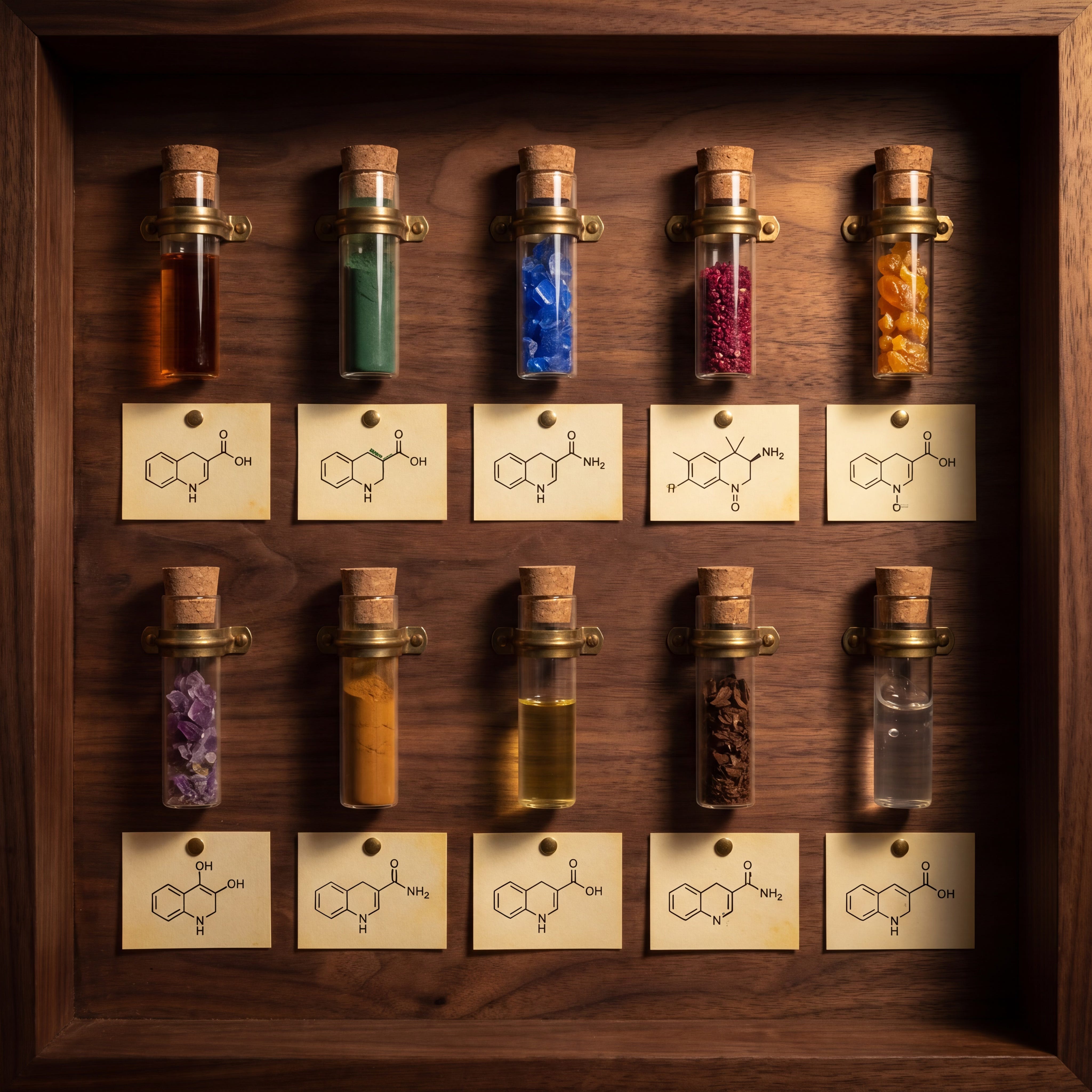
VI. Compound-Specific Protocols
The four-phase architecture detailed in Section V provides a generic scaffold; populating it requires resolution at the level of each psychedelic’s polypharmacology, plasticity-window kinetics, peptidergic shadow, and clinical risk profile. The protocols that follow are organized accordingly. Each begins with a brief restatement of the relevant pharmacological and kinetic facts, then specifies priming-, acute-, consolidation-, and reintegration-phase peptide pairings calibrated to those facts. Doses given are illustrative defaults derived from published clinical and preclinical literature; actual prescribing in any future trial should reflect individualized titration based on patient phenotype, biomarker panels, and tolerance to component peptides. Where evidence is preclinical only, this is stated; where the recommendation rests on mechanistic extrapolation rather than direct clinical demonstration, this is also stated. Compound-specific contraindications are summarized in each section; an integrated risk and drug-drug interaction table will be assembled in Section IX.
6.1 Psilocybin
Psilocybin is the most extensively studied classical psychedelic in contemporary psychiatric research and the natural anchor for the protocol architecture developed here. Phase 2 evidence supports rapid antidepressant effects from a single 25 mg dose in major depressive disorder (Goodwin et al. 2022), substantial reductions in alcohol use disorder severity at twice the placebo response (Bogenschutz et al. 2022), and durable improvements in cancer-related existential distress at six-month follow-up (Griffiths et al. 2016; Ross et al. 2016). Phase 3 development is now underway through both commercial (Compass Pathways) and nonprofit (Usona Institute) programs, with the latter focused on major depressive disorder and the former on treatment-resistant depression (Compass Pathways 2025). Across these indications, psilocybin produces what may be considered the canonical psychedelic plasticity sequence: 5-HT₂A-mediated cortical entropy, TrkB-dependent dendritogenesis, and a critical-period plasticity window of approximately two weeks (Nardou et al. 2023; Moliner et al. 2023; Shao et al. 2021).
Pharmacology and plasticity-window kinetics
Psilocybin is rapidly dephosphorylated to psilocin, its active metabolite, which acts as a partial agonist at 5-HT₂A receptors with significant secondary activity at 5-HT₁A, 5-HT₂B, and 5-HT₂C receptors and with high-affinity allosteric modulation of TrkB (Vargas et al. 2025; Moliner et al. 2023). Oral administration produces onset within 20–40 minutes, peak effects at 60–90 minutes, and total duration of 4–6 hours (Nichols 2016). The reopened critical period extends approximately 14 days post-administration in murine social conditioned place preference assays (Nardou et al. 2023), with elevated dendritic spine density and BDNF-related gene expression detectable for at least one week in human and rodent studies (Mason et al. 2023; Shao et al. 2021). Psilocybin also produces sustained reductions in IL-6, TNF-α, and C-reactive protein at one-week follow-up that correlate with improved mood and social functioning (Mason et al. 2023).
Priming phase
Psilocybin protocols are typically deployed in patients with depression, anxiety disorders, treatment-resistant depression, or comorbid existential distress, all of which are associated with elevated peripheral inflammation and disrupted HPA-axis function (Felger and Lotrich 2013; Köhler et al. 2017). A two-week priming regimen prepares the substrate. Daily sublingual BPC-157 (250–500 μg) reduces gut and systemic inflammatory tone; intranasal Selank (75–150 μg) attenuates anticipatory anxiety; and where baseline inflammatory markers are elevated, weekly transdermal or sublingual thymosin-α1 (1.6 mg) supports a regulatory immune phenotype. Mitochondrial priming with sublingual elamipretide (5–10 mg daily) is mechanistically defensible but optional for psilocybin specifically, given the compound’s relatively benign cardiovascular and oxidative profile.
Acute session augmentation
Psilocybin’s acute pharmacology requires minimal peptide intervention beyond available rescue agents. Intranasal Selank should be available throughout the session for use on clinical indication of acute panic or autonomic destabilization. Direct neurotrophic peptides (Cerebrolysin, Dihexa) should not be co-administered with the dose itself; they belong to the consolidation phase. Oxytocin co-administration, while mechanistically aligned for compounds where attachment-related learning is the therapeutic focus, is not the optimal pairing for the symbolic-autobiographical portal that defines psilocybin’s therapeutic action. Where the clinical target is comorbid social anxiety or attachment-related trauma, a subset of treatment-resistant depression, low-dose intranasal oxytocin (24 IU) administered approximately 45 minutes before psilocybin onset is defensible.
Plasticity-window consolidation
The 14-day plasticity window is the load-bearing therapeutic phase of the protocol and requires sustained pharmacological reinforcement of the BDNF/TrkB-driven remodeling already engaged. Daily Cerebrolysin (5 mL intramuscular, or emerging intranasal/OTF formulations as bioavailability permits) for the first seven days post-session amplifies the neurotrophic signal during the period of maximum dendritogenesis. Where parenteral administration is impractical, sublingual Dihexa (8–16 mg daily) for 7–10 days provides a complementary HGF/c-Met-mediated signal. Continuation of priming-phase BPC-157 and Selank at maintenance doses sustains the inflammatory and autonomic substrate; elamipretide may be added for patients with baseline mitochondrial liability or cognitive complaint. The peptide stack should be tapered over days 10–14 as the plasticity window closes.
Reintegration and risk profile
Reintegration peptide support is minimal: pulsed BPC-157 cycles (two weeks on, two weeks off), continued Selank only as needed for ongoing anxiety, and re-initiation of consolidation-phase neurotrophic support if a planned booster session is contemplated. Clinical surveillance during months 1–6 should track inflammatory markers, sleep quality, and depressive symptom recurrence. Psilocybin contraindications include personal or first-degree family history of psychotic disorder, severe cardiovascular disease, and concomitant SSRI or MAOI therapy without appropriate washout (typically two to four weeks for SSRIs; longer for fluoxetine; six weeks for MAOIs). Drug interactions with consolidation-phase peptides are minimal, as the peptides discussed are not significantly metabolized by CYP enzymes (Acevedo-Diaz et al. 2024).
6.2 LSD
LSD presents a related but pharmacologically distinct case. Modern Phase 2 research conducted primarily through the Liechti laboratory in Basel has re-established LSD as a viable candidate for anxiety and depression treatment, with a 2024 randomized controlled trial demonstrating efficacy in depression with anxiety (Holze et al. 2024a). LSD differs from psilocybin in three respects relevant to protocol design: a longer subjective duration (8–12 hours), a broader receptor profile that includes substantial activity at dopamine D₂ and adrenergic receptors, and a longer reopened plasticity window of approximately three weeks (Nardou et al. 2023; Holze et al. 2024b).
Pharmacology and plasticity-window kinetics
LSD is a partial agonist at 5-HT₂A, 5-HT₁A, 5-HT₂C, and dopamine D₂ receptors, with secondary activity at adrenergic α₁/α₂ receptors and high-affinity allosteric modulation of TrkB at affinities comparable to psilocin (Moliner et al. 2023; Nichols 2016). Comparative pharmacological studies indicate that LSD produces effects qualitatively similar to those of psilocybin but with substantially longer duration and somewhat greater cognitive and ideational engagement (Holze et al. 2022; Ley et al. 2023). Oral administration produces onset within 30–60 minutes, peak effects at 2–3 hours, and total duration of 8–12 hours (Holze et al. 2019). The reopened plasticity window extends approximately 21 days post-administration in murine assays (Nardou et al. 2023). LSD’s longer pharmacokinetic profile produces sustained sympathetic activation that warrants closer attention to autonomic priming than psilocybin protocols require.
Priming phase
The two-week priming regimen for LSD differs from the psilocybin baseline in two respects. First, intranasal Selank dosing is intensified (twice-daily 100 μg) given LSD’s prolonged sympathetic activation and the increased likelihood of fatigue, mid-session anxiety, or autonomic destabilization in extended sessions. Second, mitochondrial priming with sublingual elamipretide (10 mg daily) becomes mechanistically defensible rather than optional, given the metabolic demands of an 8–12 hour psychoactive state. Baseline cardiovascular evaluation including resting blood pressure, heart rate variability, and where available, ambulatory blood pressure monitoring should establish autonomic readiness.
Acute session augmentation
The extended duration of LSD effects creates a longer window during which acute peptide intervention may be needed. Intranasal Selank should be available for autonomic destabilization. For patients with documented blood pressure response to LSD that approaches the upper limits of clinical tolerance, low-dose elamipretide may be repeated mid-session (5 mg sublingual at the four-hour point) on a defensible if speculative basis: SS-31’s mitochondrial protection of the cardiac sarcomere has shown benefit in models of stress-induced cardiac dysfunction (Birk et al. 2014; Szeto 2014). As with psilocybin, neurotrophic peptides are reserved for consolidation.
Plasticity-window consolidation
The 21-day plasticity window is the longest among classical serotonergic psychedelics and warrants extended consolidation-phase peptide support. Daily Cerebrolysin or sublingual Dihexa for 14 days post-session, in contrast to the 7–10 day window appropriate for psilocybin, brackets the available plasticity duration. Continued BPC-157, Selank, and elamipretide at maintenance doses for the full 21-day window maintains the inflammatory, autonomic, and metabolic substrate. The longer consolidation phase increases the importance of psychotherapeutic integration during this period; the pharmacological window is open longer than the typical structure of weekly therapy can fully exploit, and twice-weekly integration sessions for the first two weeks post-dosing align better with the underlying biology.
Reintegration and risk profile
LSD contraindications are similar to those of psilocybin, with additional caution for patients with hypertension, coronary artery disease, or stimulant-sensitive cardiac arrhythmias. Concomitant SSRI or MAOI therapy requires the same washout considerations as for psilocybin, with the additional note that recent work demonstrates that paroxetine pre-administration alters LSD pharmacokinetics in clinically meaningful ways (Thomann et al. 2025), suggesting that residual SSRI exposure during consolidation-phase peptide therapy may interact with the underlying neurotrophic substrate.
6.3 DMT and Ayahuasca
N,N-dimethyltryptamine (DMT) presents the protocol architecture with its kinetic extreme. Smoked or vaporized DMT produces a 6–15 minute experience of intense perceptual destabilization; intravenous administration extends this window modestly; ayahuasca, the Amazonian brew that combines DMT with the monoamine oxidase inhibitor (MAOI) harmaline, produces an extended 4–6 hour experience by preventing first-pass metabolism of orally ingested DMT (Riba et al. 2003; Palhano-Fontes et al. 2019). The reopened plasticity window for DMT alone is correspondingly brief, approximately 6–24 hours, but ayahuasca’s prolonged kinetic profile likely extends this to a duration comparable with short-acting tryptamine analogs (Cameron et al. 2018). The protocol architecture must therefore distinguish sharply between DMT monotherapy and ayahuasca administration.
Pharmacology and plasticity-window kinetics
DMT is an agonist at 5-HT₂A, 5-HT₁A, and sigma-1 receptors, with the sigma-1 activity contributing substantially to its neuroprotective and immunomodulatory effects (Inserra 2018; Frecska et al. 2013; Szabo et al. 2014). Sigma-1 activation reorganizes G-protein-coupled receptor heteromer complexes, modulates intracellular calcium homeostasis at mitochondria-associated endoplasmic reticulum membranes, and engages the antiapoptotic and anti-amnesic effects relevant to traumatic memory processing. Vaporized DMT produces onset within seconds, peak effects at 1–3 minutes, and total duration of 6–15 minutes (Timmermann et al. 2019). Ayahuasca administration produces onset within 30–60 minutes and total duration of 4–6 hours, with the harmaline component extending DMT exposure and adding 5-HT₂A-independent effects of its own (Palhano-Fontes et al. 2019). A Phase 2 RCT in treatment-resistant depression demonstrated rapid antidepressant effects of a single ayahuasca session that persisted for at least seven days (Palhano-Fontes et al. 2019).
Priming phase
The brevity of DMT’s plasticity window concentrates therapeutic leverage into a small temporal envelope, increasing the importance of optimal substrate preparation. Two weeks of full priming peptide stack is standard, with two distinctive modifications. First, sigma-1 supportive peptides (for which no clinically validated agent currently exists, but where mitochondrial peptide elamipretide functions as a mechanistically aligned proxy through its protection of the same mitochondria-associated ER membrane systems engaged by sigma-1) should be present throughout priming. Second, for ayahuasca specifically, the harmaline-mediated MAOI activity necessitates strict dietary tyramine restriction during priming and for at least 24 hours post-administration, and any monoaminergic peptide adjunct (oxytocin, Selank) should be reviewed for MAOI compatibility before use (most are compatible).
Acute session augmentation
For DMT alone, the acute window is too brief for meaningful peptide co-administration during the experience itself. Pre-session intranasal Selank (100 μg, 30 minutes prior) attenuates pre-onset autonomic arousal without affecting the experience; pre-session sublingual elamipretide (10 mg, 60 minutes prior) supports the mitochondrial-proteostatic axis during the brief but intense state. For ayahuasca, the longer duration permits a mid-session sublingual elamipretide redose (5 mg at the three-hour point) where indicated. Direct neurotrophic peptides remain reserved for consolidation.
Plasticity-window consolidation
The brevity of DMT’s plasticity window, 6 to 24 hours, collapses the consolidation phase into a single intensive day. A single Cerebrolysin dose (5 mL parenteral, or maximum-tolerated OTF/intranasal equivalent) administered within 4–8 hours of the session maximizes neurotrophic reinforcement during the open window. Sublingual Dihexa (16 mg) at 12 hours post-session and again at 24 hours provides a second window of c-Met activation. Maintenance doses of priming-phase peptides continue for 7 days. For ayahuasca, the consolidation phase extends to approximately one week, and the consolidation regimen approximates that of short-acting psilocybin protocols, with daily Cerebrolysin or Dihexa for 5–7 days. The compressed timing of DMT consolidation places premium on rapid-onset peptide formulations and on coordinating peptide administration with the timing of integration psychotherapy.
Reintegration and risk profile
DMT and ayahuasca contraindications include personal or family history of psychotic disorder, severe cardiovascular disease, and for ayahuasca specifically, all serotonergic medications (SSRIs, SNRIs, MAOIs, triptans, tramadol) and tyramine-containing foods given the harmaline MAOI activity. The narrow plasticity window means that booster sessions, if clinically indicated, can be scheduled at relatively short intervals, 4–8 weeks rather than the 3–6 month intervals appropriate for psilocybin, but the cumulative effect of repeated DMT exposure on baseline 5-HT₂A receptor density and on long-term sigma-1 function is incompletely characterized.
6.4 5-MeO-DMT
5-Methoxy-N,N-dimethyltryptamine (5-MeO-DMT) is pharmacologically and phenomenologically distinct from DMT and from classical serotonergic psychedelics. Where psilocybin and LSD privilege symbolic and autobiographical reorganization, 5-MeO-DMT operates at the level of self-modeling itself, often producing nondual states characterized by collapse of subject-object distinction. Recent clinical development through Beckley Psytech (intranasal BPL-003) and GH Research (vaporized GH001) has produced Phase 1/2 evidence of rapid antidepressant effects in treatment-resistant depression with single-session administration (Reckweg et al. 2023; Rucker et al. 2024).
Pharmacology and plasticity-window kinetics
5-MeO-DMT is a high-affinity 5-HT₁A agonist with secondary 5-HT₂A activity, a receptor profile that distinguishes it from classical psychedelics, in which 5-HT₂A activity dominates (Reckweg et al. 2022). The 5-HT₁A engagement contributes to several distinctive features: decreased locomotor activity in animal models, prolactin release with downstream anti-inflammatory effects, and the characteristic ego-dissolutional phenomenology that differs qualitatively from the symbolic phenomenology of 5-HT₂A-dominant compounds. Vaporized administration produces onset within 5–10 seconds, peak effects at 1–3 minutes, and total duration of 5–30 minutes (Reckweg et al. 2022). Intranasal benzoate formulations extend duration modestly. The plasticity window has not been directly characterized in critical-period assays but is presumed to be in the range of DMT given the comparable pharmacokinetic profile, though the dominant 5-HT₁A activity may produce qualitatively different downstream effects on plasticity-related signaling than 5-HT₂A-dominant tryptamines.
Priming phase
The two-week priming stack for 5-MeO-DMT differs from that for DMT in one principal respect: greater attention to autonomic and emotional substrate, given the intensity of identity-level destabilization that characterizes the experience. Baseline psychological assessment for dissociative tendency, adverse childhood experiences, and identity stability is particularly important; patients with severe identity disturbance or active dissociative disorders are not appropriate candidates regardless of peptide priming. Intranasal Selank dosing should be intensified relative to standard psilocybin priming (twice-daily 100 μg for two weeks). The mitochondrial-proteostatic axis is supported by daily sublingual elamipretide (10 mg).
Acute session augmentation
The brevity of 5-MeO-DMT effects, even for intranasal formulations, limits intra-session peptide intervention. Pre-session intranasal Selank (100 μg, 30 minutes prior) and sublingual elamipretide (10 mg, 60 minutes prior) provide the principal preparatory pharmacological frame. The intensity of nondual experience and its frequent association with abreaction or somatic discharge warrants close clinical monitoring during and immediately after administration; rescue intranasal Selank (75–150 μg) should be available for post-emergent anxiety.
Plasticity-window consolidation
The presumed 12–48 hour consolidation window for 5-MeO-DMT calls for a compressed but intensive neurotrophic stack. A single Cerebrolysin dose within 6 hours of administration, followed by sublingual Dihexa (16 mg) at 24 and 48 hours, brackets the available window. Given the ontological character of 5-MeO-DMT phenomenology and the frequent reports of post-acute disorientation as patients reconstruct identity-level coherence, integration-phase peptide pairings should include particular attention to cognitive stabilization. Low-dose intranasal Semax (250 μg twice daily for 5–7 days) supports cognitive and dopaminergic recovery during this period.
Reintegration and risk profile
5-MeO-DMT contraindications are stricter than those of classical psychedelics. In addition to standard contraindications (personal or family history of psychotic disorder, severe cardiovascular disease, concomitant serotonergic medications), patients with severe identity disturbance, active dissociative disorders, or unstable adverse childhood experience profiles are not appropriate candidates. The intensity of the experience and the frequency of post-acute disorientation make 5-MeO-DMT particularly demanding of integration psychotherapy; pharmacological consolidation cannot substitute for the structured therapeutic frame within which identity reconstitution occurs.
6.5 MDMA
MDMA represents the protocol architecture’s most clinically advanced application and its most peptidergically rich pairing space. Phase 3 evidence from the Lykos Therapeutics (formerly MAPS Public Benefit Corporation) program demonstrated substantial efficacy in severe and treatment-resistant PTSD, with two-thirds of treated participants no longer meeting diagnostic criteria at the primary endpoint (Mitchell et al. 2021, 2023). The 2024 FDA Complete Response Letter declined approval pending additional data on study design and functional unblinding (FDA 2024), but the underlying clinical signal remains among the strongest in psychiatric medicine. MDMA’s distinctive peptidergic shadow, primarily oxytocinergic and vasopressinergic, makes the compound the natural anchor for the relational portal protocol.
Pharmacology and plasticity-window kinetics
MDMA acts primarily as a substrate at the serotonin, norepinephrine, and dopamine transporters, releasing these monoamines through reverse transport, with secondary direct activity at 5-HT₁A, 5-HT₂A, and 5-HT₂C receptors (Liechti 2014). The prosocial and empathogenic features of the experience are mediated in part by oxytocin and vasopressin release, with plasma oxytocin elevations correlating with subjective and behavioral measures of social bonding (Dumont et al. 2009; Kuypers et al. 2014). Acute amygdala reactivity is reduced and ventromedial prefrontal cortex–amygdala connectivity enhanced, creating the neural substrate for fear extinction and memory reconsolidation in the relational frame (Carhart-Harris et al. 2014; Mithoefer et al. 2019). The reopened plasticity window is approximately 14 days, with the social reward learning critical period requiring oxytocin receptor activation in the nucleus accumbens (Nardou et al. 2019, 2023). Oral administration produces onset within 30–60 minutes, peak effects at 1.5–2.5 hours, and total duration of 4–6 hours.
Priming phase
The two-week priming stack for MDMA is the most peptide-dense in the protocol architecture, reflecting both the metabolic demands of MDMA’s mechanism (substantial monoamine release and mitochondrial stress) and the centrality of the oxytocinergic axis. Daily sublingual BPC-157 (500 μg) and intranasal Selank (twice-daily 100 μg) provide standard inflammatory and autonomic preparation. Daily sublingual elamipretide (10 mg) is mechanistically warranted given documented MDMA mitochondrial liability (Capela et al. 2009). The priming phase is the optimal window for establishing baseline oxytocin tone in patients with PTSD-associated oxytocin deficiency (Carmassi et al. 2021). Twice-daily intranasal oxytocin (24 IU, morning and evening) for the final 7 days of priming sensitizes the oxytocinergic system and may support attachment-relevant relational work in preparatory psychotherapy. A pre-session cardiovascular evaluation is mandatory given MDMA’s sympathomimetic profile.
Acute session augmentation
The MDMA dosing session is the protocol’s clearest case for active intra-session peptide co-administration. Intranasal oxytocin (24–40 IU) administered approximately 30 minutes before MDMA onset reinforces the attachment-related neurochemistry of the relational portal at the moment of maximum therapeutic leverage (Nardou et al. 2019; Mithoefer et al. 2019). The timing must be calibrated so that peripheral oxytocin peak coincides with the early phase of MDMA effects rather than preceding it. Pre-session sublingual elamipretide (10 mg, 60 minutes prior) provides mitochondrial protection during the period of maximum monoamine release and oxidative stress; this is one of the more strongly mechanistically supported pairings in the protocol architecture. Intranasal Selank should be available throughout the session for autonomic destabilization. The standard MDMA-assisted therapy session structure of three doses spaced approximately one month apart should be retained; peptide priming is repeated before each dosing session, but the inflammatory and metabolic substrate established during the first cycle persists into subsequent cycles.
Plasticity-window consolidation
The 14-day plasticity window for MDMA is the most clinically validated of any compound in the protocol architecture. Twice-daily intranasal oxytocin (24 IU, morning and evening) for the full 14-day window sustains attachment-related learning during the period of maximum relational plasticity. Daily Cerebrolysin (5 mL) or sublingual Dihexa (12 mg) for the first 7 days reinforces neurotrophic remodeling. Continued sublingual elamipretide (10 mg) for the full 14 days addresses the prolonged oxidative-mitochondrial recovery that follows substantial monoamine release. BPC-157 and Selank continue at maintenance doses. The relational consolidation framework is itself novel within the published MDMA-assisted therapy literature and represents a substantive protocol extension beyond current clinical practice.
Reintegration and risk profile
MDMA contraindications include severe cardiovascular disease, history of cerebrovascular accident, uncontrolled hypertension, hepatic dysfunction, and personal or family history of psychotic disorder. Concomitant SSRI or MAOI therapy requires extended washout (minimum 2 weeks for most SSRIs, 6 weeks for fluoxetine, 6 weeks for MAOIs) given documented serotonin syndrome risk. Neuroendocrine recovery from acute MDMA effects, particularly recovery of normal serotonin transporter density and 5-HT₂A receptor function, may require 4–8 weeks; second and third dosing sessions at approximately one-month intervals should be timed accordingly. The peptide stack interacts minimally with standard MDMA pharmacokinetics, but oxytocin co-administration should be reviewed for cardiovascular tolerability in patients with any significant hemodynamic vulnerability.
6.6 Ibogaine
Ibogaine occupies the protocol architecture’s most demanding position. Its plasticity window is the longest among compounds reviewed (4+ weeks), its therapeutic profile in opioid use disorder is among the most clinically distinctive in psychedelic medicine, and its safety liability, principally hERG channel blockade with associated QT prolongation and risk of fatal cardiac arrhythmia, is the most serious. Recent work in special operations forces veterans with traumatic brain injury and PTSD has demonstrated dramatic clinical effects of structured ibogaine administration with magnesium co-administration for cardiac protection (Cherian et al. 2024). The protocol developed here treats ibogaine as a high-stakes intervention requiring the most intensive priming, the most aggressive intra-session cardiac protection, and the longest consolidation window in the architecture.
Pharmacology and plasticity-window kinetics
Ibogaine is a multi-target compound with weak 5-HT₂A activity, NMDA receptor antagonism, kappa-opioid agonism, sigma receptor activity, monoamine transporter modulation, and hERG potassium channel blockade (Koenig and Hilber 2015; Mash et al. 2018). Its principal active metabolite, noribogaine, accumulates in tissue with a half-life of 28–49 hours and accounts for the prolonged behavioral and plasticity-related effects (Mash et al. 2016). Ibogaine increases GDNF expression in the ventral tegmental area, contributing to its anti-addictive properties (Carnicella et al. 2010). The reopened plasticity window extends 28+ days post-administration in murine assays, the longest measured in the Nardou et al. (2023) comparative work. Oral administration of typical clinical doses (10–20 mg/kg) produces onset within 30–60 minutes, peak effects at 2–4 hours, and total duration of 24–36 hours, with noribogaine-mediated effects continuing for several days (Brown and Alper 2018).
Priming phase
The two-week ibogaine priming regimen is the most intensive in the protocol architecture and includes mandatory cardiac evaluation. Baseline 12-lead ECG, 24-hour Holter monitoring, electrolyte panel including magnesium, and where clinically indicated cardiac MRI or echocardiography are required to exclude long QT syndrome, structural heart disease, or electrolyte imbalance. Patients with QTc above 450 ms, family history of sudden cardiac death, or any documented arrhythmia are not appropriate candidates regardless of peptide protection. Beyond standard priming peptides (BPC-157, Selank, thymosin-α1 as indicated), the ibogaine priming stack adds intensified mitochondrial and cardiac protection: daily sublingual elamipretide (10–15 mg) for the full two weeks, with the higher dose justified by both cardiac mitochondrial protection and noribogaine’s prolonged tissue presence; daily oral magnesium glycinate (400 mg) and potassium gluconate (10 mEq); and where biomarkers indicate elevated systemic inflammation, daily sublingual KPV (500 μg). For patients with opioid use disorder, the ibogaine indication most clearly supported by clinical evidence, opioid withdrawal must be appropriately managed during priming using non-NMDA-antagonist agents.
Acute session augmentation
The ibogaine session is the protocol’s most actively managed acute window. Pre-session sublingual elamipretide (15 mg, 90 minutes prior) and intravenous magnesium sulfate (2 g over 20 minutes, 30 minutes prior) establish the cardiac-protective frame. Continuous cardiac monitoring throughout the session is mandatory. Mid-session elamipretide (10 mg sublingual at the four-hour point) provides additional mitochondrial protection during the period of maximum noribogaine accumulation. Cibinetide (ARA-290), an erythropoietin-derived peptide engaging the innate repair receptor without erythropoietic effects, has shown cardioprotective and anti-arrhythmic properties in preclinical models (Brines et al. 2008) and represents a defensible if speculative additional cardiac adjunct (4 mg subcutaneous, single dose pre-session) where standard cardiac protection is inadequate. The autobiographical-moral character of the ibogaine experience requires close therapeutic presence throughout; intra-session pharmacological intervention should be minimal beyond cardiac protection.
Plasticity-window consolidation
The 28+ day ibogaine plasticity window is the longest in the protocol architecture and warrants the most extensive consolidation regimen. Daily Cerebrolysin (5 mL) or sublingual Dihexa (16 mg) for the first 14 days, then alternating-day dosing for days 15–28, brackets the plasticity envelope. Continued elamipretide (10 mg daily) for the full 28 days addresses prolonged mitochondrial recovery from noribogaine exposure. Low-dose intranasal Semax (500 μg twice daily for 14 days) supports cognitive and dopaminergic recovery during the autobiographical reorganization that characterizes post-ibogaine clinical experience (Eremin et al. 2005). For patients in addiction recovery, the consolidation phase aligns with the period of maximum craving-related reward circuitry remodeling and represents the principal therapeutic window of the intervention.
Reintegration and risk profile
Beyond the standard psychedelic contraindications, ibogaine-specific contraindications are extensive: any cardiac conduction abnormality, structural heart disease, electrolyte imbalance, hepatic dysfunction, concurrent opioid maintenance therapy without appropriate transition protocol, and concomitant use of any QT-prolonging medication (a category that includes many psychiatric and antiemetic agents). Ibogaine should be administered only in settings with continuous cardiac monitoring, immediate access to advanced cardiac life support, and clinical staff trained in management of arrhythmia. The 28+ day consolidation phase places sustained demand on integration psychotherapy; the autobiographical-moral character of ibogaine reorganization is poorly served by abbreviated post-session support, and integration sessions twice weekly for the first month are recommended.
6.7 Ketamine and Esketamine
Ketamine occupies a paradoxical position in the contemporary psychedelic landscape. Its FDA-approved congener esketamine (Spravato) has been clinically available for treatment-resistant depression since 2019; ketamine itself is widely used off-label in dose ranges from sub-anesthetic (0.5 mg/kg IV) to anesthetic (1–2 mg/kg IV); and racemic ketamine has demonstrated rapid antidepressant effects within hours of administration in multiple controlled trials (Wilkinson et al. 2018; Daly et al. 2019). The compound’s plasticity window of approximately 48 hours is the shortest among the compounds reviewed, and its dissociative rather than serotonergic-classical phenomenology produces a different therapeutic process. The protocol architecture for ketamine emphasizes rapid, intensive peptide augmentation during the brief consolidation window.
Pharmacology and plasticity-window kinetics
Ketamine is an NMDA receptor antagonist with secondary activity at sigma-1, mu-opioid, and HCN1 channels (Krystal et al. 1994; Williams et al. 2018). Its rapid antidepressant effects depend on a downstream signaling cascade involving AMPA receptor activation, mTOR engagement, and BDNF/TrkB signaling that produces dendritogenesis and increased synaptic spine density within 24–48 hours of administration (Abdallah et al. 2018; Li et al. 2010). Subanesthetic ketamine reactivates adult cortical plasticity through PNN-modulating mechanisms involving microglial PNN disassembly (Venturino et al. 2021; Grieco et al. 2020). Intravenous administration produces onset within 5–10 minutes, peak effects at 30–40 minutes, and total duration of 1–2 hours. The reopened plasticity window of approximately 48 hours is the shortest among the compounds reviewed (Nardou et al. 2023).
Priming phase
Ketamine protocols often serve patient populations with severe and acute symptomatology (treatment-resistant depression with active suicidality, severe PTSD with imminent risk) for which extended priming is impractical. A compressed 5–7 day priming regimen is appropriate for most clinical use. Daily sublingual BPC-157 (500 μg) and intranasal Selank (100 μg twice daily) prepare the inflammatory and autonomic substrate. Mitochondrial priming with elamipretide (10 mg daily) is mechanistically aligned but optional for ketamine specifically given the compound’s relatively favorable cardiovascular profile at sub-anesthetic doses. Where ketamine is being used in series, repeated administrations over weeks or months, priming peptide regimens may be sustained between sessions rather than discontinued and re-initiated.
Acute session augmentation
The brief ketamine session permits no meaningful intra-session peptide intervention beyond pre-session preparation. Sublingual elamipretide (5 mg, 30 minutes prior) and intranasal Selank (100 μg, 30 minutes prior) establish the pre-session frame. The dissociative experience produces minimal autonomic destabilization in most patients but should be monitored throughout.
Plasticity-window consolidation
The 48-hour ketamine plasticity window is the protocol architecture’s most compressed consolidation phase and demands rapid, intensive intervention. A single high-dose Cerebrolysin administration (5–10 mL) within 4–8 hours of the session maximizes neurotrophic reinforcement during peak dendritogenesis. Sublingual Dihexa (16 mg) at 12, 24, and 36 hours post-session provides repeated c-Met activation across the plasticity window. Continuation of priming-phase peptides through 72 hours sustains the substrate during initial reintegration. The compressed timing makes ketamine the protocol most suited to acute intensive intervention in inpatient or partial-hospital settings, where peptide administration can be precisely timed to the underlying neurobiology.
For ketamine series treatment, where weekly or biweekly administrations are standard, the consolidation peptide stack can be administered immediately post-session at each dosing without the gap that would characterize psilocybin or LSD protocols. The cumulative neurotrophic reinforcement across multiple sessions may produce additive effects beyond what single-session protocols can achieve, though this remains untested.
Reintegration and risk profile
Ketamine contraindications include uncontrolled hypertension, history of psychosis or severe dissociative disorder, recent myocardial infarction or stroke, and concomitant use of certain medications including some MAOIs and stimulants. The rapid onset and offset of ketamine effects produces less sustained autonomic stress than longer-duration psychedelics, but cumulative ketamine exposure (more than 8–12 sessions in series) has been associated with bladder dysfunction (ketamine cystitis) and cognitive complaints; peptide protocols should not be used to enable indefinite extension of ketamine series treatment. Drug interactions with the consolidation peptide stack are minimal.
6.8 Mescaline
Mescaline, the principal active alkaloid of peyote (Lophophora williamsii) and San Pedro (Echinopsis pachanoi) cacti, has been the most clinically neglected of the classical serotonergic psychedelics despite a multi-millennium history of ceremonial use and a clinical pharmacology profile distinct from psilocybin and LSD (Cassels and Sáez-Briones 2018; Ley et al. 2023). Recent comparative work has demonstrated that mescaline produces subjective effects similar in character to those of psilocybin and LSD but with substantially longer duration and somewhat distinct affective tone (Ley et al. 2023). Indigenous ceremonial use of peyote, particularly within the Native American Church, must be respected as a sovereign tradition that exists outside and prior to the clinical-medical frame; the protocol developed here applies only to clinical or research administration and does not address ceremonial contexts.
Pharmacology and plasticity-window kinetics
Mescaline is a phenethylamine rather than a tryptamine, with primary 5-HT₂A agonism and significant secondary activity at 5-HT₂C and 5-HT₁A receptors (Nichols 2016). It produces less potent direct dopamine and adrenergic effects than LSD and produces minimal cardiovascular activation at typical doses. Oral administration of typical clinical doses (300–500 mg) produces onset within 60–90 minutes, peak effects at 4–6 hours, and total duration of 10–14 hours (Ley et al. 2023). The plasticity window has not been directly characterized in critical-period assays but is likely comparable to that of LSD given the similar duration of action.
Priming phase
Two-week mescaline priming follows the LSD baseline given the comparable duration of action. The longer subjective duration warrants the more intensive autonomic preparation appropriate to LSD: twice-daily intranasal Selank at 100 μg, daily mitochondrial support with sublingual elamipretide at 10 mg, standard inflammatory peptides. The lower cardiovascular activation of mescaline relative to LSD reduces the indication for cardiac-specific intervention, but the longer duration sustains metabolic demand.
Acute session augmentation
The 10–14 hour mescaline session is among the longest in the protocol architecture and creates an extended window during which acute peptide intervention may be needed. Pre-session intranasal Selank (100 μg) and sublingual elamipretide (10 mg) establish the preparatory frame. A mid-session sublingual elamipretide redose (5 mg at the six-hour point) is mechanistically defensible given the metabolic demands of an extended psychoactive state.
Plasticity-window consolidation
A 14–21 day consolidation window is appropriate for mescaline, paralleling the LSD architecture. Daily Cerebrolysin or sublingual Dihexa for 14 days, with continuation of inflammatory and metabolic adjuncts through the full 21-day window, brackets the plasticity envelope. The longer subjective duration of mescaline often produces sustained post-acute affective changes lasting several days that warrant extended integration psychotherapy.
Reintegration and risk profile
Mescaline contraindications follow the standard psychedelic profile, with the addition of caution regarding the prolonged duration of action and corresponding requirement for extended clinical supervision during the acute session. Concurrent SSRI or MAOI therapy requires standard washout. The clinical evidence base for mescaline is substantially smaller than that for psilocybin or LSD, and protocols developed here rest more heavily on extrapolation from related compounds than is the case for the better-studied psychedelics.
6.9 Emerging Psychoplastogens, Entactogens, and Atypical Compounds
A growing class of compounds promotes structural neural plasticity through diverse receptor mechanisms while reducing or eliminating the hallucinogenic experience characteristic of classical serotonergic psychedelics. Their emergence forces a conceptual revision of the protocol architecture developed in this review: if therapeutic plasticity can be engaged without the experiential content that has organized contemporary psychedelic-assisted psychotherapy, the relationship between pharmacology and integration psychotherapy must be reconsidered. Three compounds illustrate the range of this emerging class (tabernanthalog, methylone, and salvinorin A) and represent three distinct mechanistic strategies for separating therapeutic effect from hallucinogenic experience.
Tabernanthalog (TBG, DLX-007)
Tabernanthalog, developed by the Olson laboratory at the University of California, Davis, and licensed to Delix Therapeutics, is a water-soluble, non-hallucinogenic, non-cardiotoxic structural analog of ibogaine engineered through function-oriented synthesis to retain ibogaine’s therapeutic pharmacophore while eliminating hERG channel binding (Cameron et al. 2021). TBG promotes structural neural plasticity in the prefrontal cortex through TrkB/mTOR/AMPA signaling, reduces alcohol- and heroin-seeking behavior, and produces antidepressant-like effects in rodent stress models with neuroplastic changes persisting up to 12 days (Cameron et al. 2021). As of January 2026, tabernanthalog had not yet entered clinical trials, but the preclinical data position it as the most advanced ibogaine-derived psychoplastogen in development.
For TBG and structurally related ibogalogs, the protocol architecture simplifies substantially. The elimination of hERG-mediated cardiotoxicity removes the most demanding feature of the ibogaine cardiac protection regimen. The presumed plasticity window of approximately 12 days, comparable to that of psilocybin, suggests that the consolidation-phase peptide stack can follow the psilocybin template rather than the extended 28-day ibogaine architecture. Standard priming peptides (BPC-157, Selank, elamipretide at maintenance doses) remain mechanistically aligned. The principal protocol implication is the absence of an experiential crisis-and-resolution arc requiring intensive integration psychotherapy. Where ibogaine produces a structured autobiographical life review that integration psychotherapy must contain and translate into behavioral change, TBG produces no such experiential content and the therapeutic process becomes closer to enhancement of conventional cognitive-behavioral or behavioral therapy than to psychedelic-assisted psychotherapy in its current form.
Methylone (TSND-201)
Methylone, the β-ketone analog of MDMA developed by Transcend Therapeutics under the designation TSND-201, has emerged as the first non-hallucinogenic neuroplastogen to demonstrate efficacy in a randomized placebo-controlled clinical trial. The IMPACT-1 Phase 2 study, published in JAMA Psychiatry in 2026, demonstrated statistically significant and clinically meaningful reductions in PTSD symptoms in 65 patients with severe PTSD (CAPS-5 ≥ 35), all of whom had previously failed at least one PTSD treatment (Jones et al. 2025; Transcend Therapeutics 2026). Patients received four oral doses spaced one week apart, with placebo-adjusted CAPS-5 reductions of -8.00 by day 10 and -9.64 sustained through day 64. The U.S. Food and Drug Administration granted Breakthrough Therapy designation for TSND-201 in PTSD in July 2025 (Transcend Therapeutics 2025), and Phase 3 development is now underway. Methylone therefore represents the first compound in the class to bridge from preclinical psychoplastogen status to clinical evidence sufficient for regulatory review.
Pharmacology
Methylone acts primarily as a substrate at the serotonin, norepinephrine, and dopamine transporters with greater selectivity for these targets than MDMA exhibits, and with no significant activity at the 5-HT₂A receptor (Warner-Schmidt et al. 2022; Jones et al. 2025). The absence of 5-HT₂A engagement removes the hallucinogenic experiential component while preserving the empathogenic-entactogenic effects mediated by serotonergic and dopaminergic monoamine release. Acute oral administration produces onset within 15–30 minutes, peak effects at 1–2 hours, and total duration of approximately 3–4 hours, with a more compressed effect profile than MDMA. Preclinical work demonstrates that methylone promotes neurite outgrowth, produces robust anxiolytic and antidepressant-like effects, and influences fear extinction learning through mechanisms that overlap mechanistically with MDMA’s effects on amygdala-prefrontal connectivity (Warner-Schmidt et al. 2022; Li et al. 2024). The plasticity window has not been characterized in critical-period assays but the durability of the IMPACT-1 clinical effects through day 64 after only four doses suggests a window of sufficient duration to support therapeutic learning.
Protocol implications
Methylone’s clinical position has three implications for the protocol architecture. First, the absence of hallucinogenic experience eliminates the requirement for intensive intra-session therapeutic containment characteristic of MDMA-assisted therapy. The IMPACT-1 protocol involved standard supportive care during dosing without the elaborate dyad-based therapy structure that has defined MDMA development. Patients can be treated in a clinic setting comparable to that used for ketamine infusion therapy, dramatically reducing the resource intensity of the intervention. The peptide pairings appropriate to methylone reflect this simpler structure: standard priming with BPC-157, Selank, and where indicated elamipretide; minimal intra-session intervention beyond preparatory peptide doses; and consolidation-phase neurotrophic support timed to the four weekly dosing intervals.
Second, the multi-dose protocol structure (four doses spaced one week apart) creates a peptide stacking opportunity that single-dose psychedelic protocols do not afford. Continuous peptide priming and consolidation across the four-week dosing cycle, rather than the intermittent priming-acute-consolidation-reintegration sequence appropriate to single-dose psilocybin or MDMA, may better align with the cumulative pharmacological effect of methylone. The plasticity-window peptide stack (neurotrophic peptides, oxytocinergic support, mitochondrial maintenance) can be administered continuously across the four-week treatment window with brief intensification on each dosing day.
Third, methylone’s elevation of oxytocin, while less pronounced than that of MDMA (Warner-Schmidt et al. 2022), is mechanistically aligned with the relational portal framework. Twice-daily intranasal oxytocin (24 IU) for the four-week dosing cycle, beginning one week before the first dose and continuing through the consolidation phase following the final dose, represents a defensible pairing for PTSD applications. The peptide stack is otherwise simpler than that for MDMA, given methylone’s more favorable cardiovascular and oxidative profile. Mitochondrial support with elamipretide remains mechanistically defensible but can be deployed at lower doses than for MDMA. Cibinetide (ARA-290) and other cardiac-protective peptides are not indicated.
The clinical implications of methylone’s emergence extend beyond its specific pharmacology. As the first non-hallucinogenic neuroplastogen to achieve regulatory milestone status, it validates the proposition that the therapeutic mechanism of empathogen-entactogen pharmacology can be separated from the experiential content that has organized contemporary clinical practice. If Phase 3 development confirms IMPACT-1’s findings, methylone may shift the center of gravity in psychedelic medicine from experiential intensity toward pharmacological precision, with corresponding consequences for the role of integration psychotherapy and the structure of clinical delivery. Peptide co-administration in this frame becomes less an adjunct to a complex psychological process and more a component of a precision pharmacological protocol, a development that has substantial implications for clinical scaling and for the equity of access.
Salvinorin A
Salvinorin A, the principal active diterpenoid of the Mexican mint Salvia divinorum, occupies a singular position in the contemporary psychedelic landscape. It is the only known naturally-occurring, non-nitrogenous selective high-efficacy agonist at the kappa-opioid receptor (KOR), with no significant activity at mu- or delta-opioid receptors and no direct serotonergic activity (Roth et al. 2002; Butelman and Kreek 2015). Its phenomenology is sharply distinct from that of classical psychedelics: brief (5–15 minutes when smoked), often dysphoric, characterized by intense dissociation, perceptual fragmentation, and frequent autobiographical regression, with anhedonic and aversive components mediated by KOR-induced dopamine suppression in nucleus accumbens (Carlezon et al. 2006). Despite its difficult phenomenological profile, salvinorin A has demonstrated anti-addictive effects in preclinical models of cocaine and alcohol use, antidepressant-like effects in some rodent paradigms, and substantial neuroprotective effects against hypoxia-ischemia injury (Coffeen and Pellicer 2019; Polepally et al. 2021; Korostynski et al. 2024). A 2025 systematic review and meta-analysis of preclinical studies confirmed therapeutic potential across these indications while emphasizing the limited and mechanistically constrained nature of available human data (Korostynski et al. 2024).
Pharmacology and clinical position
Salvinorin A is a high-affinity, high-efficacy KOR agonist with secondary D₂ dopamine receptor activity (Seeman et al. 2009) and substantial substrate activity at P-glycoprotein efflux transporters at the blood-brain barrier, the latter contributing to its short cerebral residence time (Butelman et al. 2009). Inhaled or vaporized administration produces onset within seconds, peak effects at 1–3 minutes, and total duration of 5–15 minutes; sublingual administration produces longer but less reliable effects given the pH-sensitivity of buccal absorption. Human clinical research has been limited, with controlled studies demonstrating reproducible psychoactive effects but not yet establishing therapeutic efficacy in formal trials (Johnson et al. 2011; Maqueda et al. 2015). The kappa-opioid mechanism is paradoxical for depression, since KOR antagonists rather than agonists are the class being developed as antidepressants (Carlezon and Krystal 2016), but salvinorin A may have specific utility in addiction where KOR-mediated dopamine suppression directly counters the dopaminergic reward of stimulant reinforcement.
Protocol implications
The clinical frame for salvinorin A is fundamentally different from that for serotonergic psychedelics or entactogen-empathogens, and the protocol architecture must reflect this difference. The brief duration of the experience, the dysphoric phenomenological character, and the KOR-specific mechanism all argue against extended priming or consolidation regimens patterned on classical psychedelic protocols. The therapeutic frame, where it can be defended at all, is closer to interventional pharmacology for specific addiction indications, particularly cocaine or methamphetamine use disorder, than to psychedelic-assisted psychotherapy in the contemporary sense.
For research applications in stimulant use disorder, the relevant peptide pairings differ substantially from those developed for serotonergic psychedelics or MDMA. Mitochondrial protection during the brief but intense KOR activation, supported by sublingual elamipretide (10 mg pre-session), addresses the energetic demands of the acute state. The post-acute dopaminergic suppression characteristic of KOR activation may benefit from intranasal Semax (250–500 μg) administered in the hours following exposure to support cognitive recovery and dopaminergic tone. Neuroprotective peptide stacks including Cerebrolysin or sublingual Dihexa, mechanistically aligned with the neuroprotective signal observed in salvinorin A preclinical data, may be deployed in a brief consolidation window of 24–72 hours. Standard inflammatory and autonomic support is appropriate but at reduced intensity given the brevity of acute exposure.
The principal contraindications for salvinorin A include any history of psychosis, severe depression with active anhedonia (where KOR agonism may worsen rather than improve symptoms), and substance use disorders involving opioid receptor systems. Concomitant opioid agonist therapy, opioid maintenance, and opioid use disorder in active or recent recovery represent absolute contraindications. The clinical research base remains insufficient to support routine clinical use; salvinorin A protocols belong to investigational research settings rather than emerging clinical practice. Its inclusion here reflects mechanistic completeness rather than a recommendation for clinical deployment.
Implications for the protocol architecture
The emergence of TBG, methylone, and salvinorin A collectively complicates the binary distinction between psychedelic and non-psychedelic that has organized contemporary research. Three different mechanistic strategies for separating therapeutic effect from hallucinogenic experience have produced three different clinical positions: the rationally engineered psychoplastogen (TBG); the entactogen with selective monoamine transporter activity but absent 5-HT₂A engagement (methylone); and the alternative-receptor-class compound that produces psychoactive effects through a non-serotonergic mechanism altogether (salvinorin A). Each of these strategies has different implications for the role of integration psychotherapy, the structure of peptide co-administration, and the clinical infrastructure required for delivery. The protocol architecture developed in this review accommodates these emerging classes through the same four-phase scaffold while requiring case-specific calibration of peptide pairings, plasticity-window assumptions, and integration intensity. Future iterations of this architecture will require periodic revision as additional non-hallucinogenic neuroplastogens reach clinical milestones.
VII. Frontier Extensions: Speculative Pairings with Mechanistic Support
The compound-specific protocols in Section VI rest on mechanistic extrapolation from established preclinical and clinical evidence at both the psychedelic and peptide ends, even where the specific psychedelic-peptide combination has not been directly tested. The protocols developed in this section step beyond that floor. They identify pairings for which mechanistic logic supports synergistic effect but for which neither component has been studied in the relevant context, and they propose peptide candidates whose clinical validation is incomplete but whose mechanistic profile addresses substrate features of psychedelic action that better-characterized peptides do not reach. These pairings are presented not as protocol recommendations but as research priorities. They name the frontier from which the next generation of compound-specific protocols will likely be built.
7.1 Klotho fragments and NMDA-coupled cognitive enhancement
The α-Klotho protein, originally identified for its role in calcium-phosphate homeostasis and longevity, has emerged as a candidate cognitive enhancer through mechanisms that do not depend on blood-brain barrier transit. Peripheral administration of an α-klotho fragment (αKL-F) produces rapid cognitive enhancement and neural resilience in young, aging, and α-synuclein transgenic mice without crossing the blood-brain barrier as measured by autoradiography or His-tagged protein studies (Dubal et al. 2014; Leon et al. 2017). The mechanism appears to involve peripheral signaling that modulates GluN2B-containing NMDA receptor function in the brain, enhancing NMDA-dependent synaptic plasticity through a pathway that remains incompletely characterized (Castner et al. 2023). Subsequent work in aged nonhuman primates demonstrated that systemic αKL-F administration improves cognitive performance on prefrontal-dependent tasks (Castner et al. 2023). In humans, the KL-VS heterozygous variant of KL is associated with reduced age-related neuroinflammation, neurodegeneration, and synaptic dysfunction in cognitively unimpaired older adults (Yokoyama et al. 2024).
The mechanistic alignment with psychedelic protocols is substantial. Classical psychedelics produce TrkB-driven dendritogenesis and increased synaptic plasticity that depend on adequate NMDA receptor function (Moliner et al. 2023; Ly et al. 2018). Ketamine produces NMDA antagonism followed by AMPA receptor activation and BDNF release. Klotho fragment co-administration during the consolidation window of either class might amplify the NMDA-dependent component of post-acute synaptic remodeling without the central side effects that direct NMDA modulators produce. The pairing is currently speculative, no clinical or preclinical study has tested klotho fragments alongside psychedelics, but the mechanistic case is among the more defensible in this section. Peripheral administration of αKL-F or recombinant secreted klotho during the consolidation window of psilocybin, LSD, ketamine, or MDMA protocols represents a research priority. The development of orally bioavailable small-molecule klotho enhancers, currently in early-stage development (Castner et al. 2023), would substantially extend the practical utility of this pairing.
7.2 Synapse-stabilizing and tau-stabilizing peptides
NAP (davunetide), an eight-amino-acid fragment of activity-dependent neuroprotective protein (ADNP), promotes microtubule stability and demonstrates neuroprotective effects in models of tauopathy and traumatic brain injury (Gozes et al. 2008; Magen and Gozes 2013). Phase 2 clinical trials of intranasal davunetide in mild cognitive impairment showed signal in some cognitive endpoints, though Phase 3 development in progressive supranuclear palsy did not meet its primary endpoint (Boxer et al. 2014). The mechanism (microtubule stabilization, reduction of tau hyperphosphorylation, and support for axonal transport) is mechanistically aligned with the structural remodeling that follows psychedelic administration. The dendritogenesis and spine density increases produced by psilocybin and LSD require functional microtubule dynamics, and the consolidation-phase synaptic stabilization that determines the durability of psychedelic effects depends on cytoskeletal stability that davunetide directly supports.
The pairing of intranasal davunetide with consolidation-phase peptide stacks, particularly for compounds with prolonged plasticity windows (LSD, ibogaine), represents a defensible if untested research priority. Davunetide’s intranasal bioavailability and its established safety profile from the failed Phase 3 program reduce the regulatory friction that otherwise constrains novel peptide combinations. For patients with comorbid neurodegenerative pathology (frontotemporal dementia, Parkinson’s disease, or post-traumatic chronic traumatic encephalopathy) the mechanistic case strengthens further, given that these conditions involve the same tau and microtubule pathology that davunetide addresses.
Cortagen, Pinealon, and other Khavinson-tetrapeptide-class agents, derived from regulatory peptides isolated from various tissues, have received less rigorous clinical evaluation but show neuroprotective and synapse-stabilizing effects in Russian and Eastern European preclinical and small clinical studies (Khavinson 2014; Khavinson et al. 2020). Their evidence base is constrained by limited Western clinical replication, but the mechanism, tetrapeptide-mediated regulation of gene expression in neural tissue, is sufficiently aligned with the consolidation-phase requirements of psychedelic protocols to warrant inclusion as research priorities.
7.3 Mitokine peptides beyond elamipretide
Elamipretide (SS-31), discussed extensively in Section IV, is the most clinically advanced of the mitochondrial-targeting peptides. Two additional mitokine peptides warrant mention as frontier candidates: MOTS-c, a 16-amino-acid peptide encoded within the mitochondrial 12S rRNA gene, which improves metabolic homeostasis, reduces insulin resistance, and increases exercise capacity in preclinical models (Lee et al. 2015; Reynolds et al. 2021); and humanin, a 24-amino-acid mitochondrial-derived peptide with anti-apoptotic and metabolic-regulatory effects (Hashimoto et al. 2001; Sreekumar et al. 2018).
Both peptides address aspects of the cellular substrate engaged by psychedelic action that elamipretide alone does not fully reach. MOTS-c regulates AMP-activated protein kinase (AMPK) signaling and metabolic gene expression in ways that complement the energetic demands of dendritogenesis and synaptic remodeling. Humanin’s anti-apoptotic effect at the cellular level may protect against the metabolic stress of prolonged 5-HT₂A activation in the high-dose classical psychedelic protocols. Neither has been tested in psychedelic contexts, and clinical-grade preparations are not currently available outside research settings. The mechanistic case for inclusion in priming and consolidation phases of high-intensity protocols (high-dose LSD, ibogaine, prolonged ayahuasca exposure) is defensible but speculative.
7.4 Hypothesized PNN-modulating peptides
The molecular mechanism by which psychedelics partially disassemble perineuronal nets to reopen critical-period plasticity (Venturino et al. 2021; Grieco et al. 2020) suggests a peptide-augmentation strategy that is more conceptual than clinical at present. Direct enzymatic disruption of PNNs through chondroitinase ABC reopens visual cortex critical-period plasticity in adult animals (Pizzorusso et al. 2002), but the enzyme is not clinically deployable as currently formulated. Peptide-based agents that modulate PNN structure or function (fragments of proteoglycan-modifying enzymes, chondroitin sulfate-binding peptides, or peptides targeting Lynx-family proteins that regulate cholinergic-dependent critical-period plasticity, per Bernard and Prochiantz 2016) represent a research frontier with substantial therapeutic potential but with no validated clinical agents yet identified. Should such agents emerge, their pairing with psychedelics would target the molecular mechanism of critical-period reopening directly rather than indirectly, potentially extending the duration or magnitude of the plasticity window beyond what current pharmacology achieves.
The Reh and colleagues review of critical-period regulation identifies several additional molecular targets (myelin-associated Nogo receptor signaling, GABAergic interneuron maturation, and excitatory-inhibitory balance regulators) for which peptide-based therapeutics are conceivable but not yet developed (Reh et al. 2020). Each represents a potential frontier for future protocol architecture.
7.5 BBB-permeant Klotho variants and engineered peptide therapeutics
The development of blood-brain barrier-permeant Klotho variants, engineered through fusion with transferrin receptor antibodies or other BBB-shuttle technologies, would substantially extend the practical utility of the klotho-NMDA pairing. Comparable strategies are under development for other large peptides and proteins relevant to psychedelic protocols: BDNF mimetics with improved BBB penetration (LM22A-4 and related compounds; Massa et al. 2010), growth factor-based therapeutics with central activity, and engineered cytokines with restricted CNS bioavailability. The protocol architecture will require revision as these classes mature, and several of the most potent theoretical peptide pairings (direct CNS BDNF augmentation during the psychedelic consolidation window, for instance) depend on delivery technology that does not yet exist in clinically deployed form.
7.6 GLP-1 receptor agonists at the metabolic-cognitive interface
The emergence of glucagon-like peptide-1 (GLP-1) receptor agonists (semaglutide, tirzepatide) as treatments for metabolic disease has been accompanied by growing evidence of cognitive and neuroprotective effects in preclinical models of Alzheimer’s disease and Parkinson’s disease (Athauda et al. 2017; Edison et al. 2025). A Phase 2 trial of liraglutide in Alzheimer’s disease showed signal in cognitive endpoints, and Phase 3 trials of semaglutide in early Alzheimer’s disease (the EVOKE program) were ongoing as of early 2026. The mechanism (improved insulin signaling in the brain, reduced neuroinflammation, modulation of amyloid-β clearance) overlaps mechanistically with the anti-inflammatory and metabolic substrates targeted by the priming phase of the protocol architecture.
For patients with comorbid metabolic dysfunction, type 2 diabetes, or accelerated biological aging, GLP-1 agonist therapy initiated during the priming phase and continued through reintegration represents a defensible if speculative pairing. The mechanistic alignment with psychedelic-induced neuroplasticity has not been directly tested, but the convergence on shared substrates of metabolic and inflammatory dysregulation suggests potential synergy. The pharmacokinetic considerations are substantial: GLP-1 agonists have prolonged half-lives (semaglutide approximately one week subcutaneous, longer for the depot oral formulation), and their effects on gastric emptying may alter the absorption of orally administered peptide adjuncts. Co-administration must be calibrated accordingly.
VIII. Delivery Science: Non-Invasive Routes for Stacked Peptide Protocols
The protocol architecture developed in this review is operationally meaningful only if its peptide components can be delivered through routes compatible with multi-agent stacking, repeated administration, and patient adherence in real-world clinical settings. The single largest practical impediment to bioactive peptide therapeutics in psychiatric and neurological practice has historically been the requirement for parenteral administration (subcutaneous, intramuscular, or intravenous injection) which limits patient acceptance, restricts use to clinical settings, and forecloses the kind of multi-peptide stacking that the four-phase architecture requires. Recent advances in three non-invasive delivery modalities have made compound peptide protocols increasingly feasible: oral thin-film (OTF) delivery via the buccal or sublingual mucosa; enteric-coated formulations targeting proximal small intestine absorption; and intranasal delivery for peptides whose physicochemical properties resist oral formulation.
8.1 Oral thin-film and mucoadhesive buccal delivery
Pre-gastric oral delivery via the buccal or sublingual mucosa avoids two of the principal barriers to oral peptide therapeutics: gastric acid degradation and intestinal proteolysis. The buccal epithelium, while previously regarded as relatively impermeable to large hydrophilic molecules, has been transformed into a clinically useful absorption surface through advances in mucoadhesive polymer chemistry, permeation enhancement, and protease inhibition (Maher et al. 2019; Brayden et al. 2020). The contemporary OTF platform integrates several molecular strategies operating in concert. Mucoadhesive polymer matrices, typically thiolated chitosan, hydroxypropyl methylcellulose (HPMC), and pullulan, adhere to mucin glycoproteins through covalent disulfide bond formation, anchoring the drug-delivery vehicle at the absorption surface for extended residence. Free thiol groups in the polymer matrix simultaneously inactivate cysteine proteases at the mucosal surface, reducing local proteolytic degradation. Permeation enhancers, including medium-chain fatty acids (sodium caprate, sodium caprylate), bile salts (sodium taurodeoxycholate), cyclodextrins, and EDTA, transiently fluidize membrane lipids, loosen tight junctions, and increase paracellular permeability without producing lasting tissue compromise.
A second engineering dimension addresses peptide stability and protection during buccal residence. Peptides may be partially complexed with hydroxypropyl-β-cyclodextrin to shield cleavage sites and improve solubility; molecularly dispersed within polymeric glass matrices (HPMC/PVA/pullulan) in solid-state form to halt hydrolysis and aggregation; and protected by reduced redox microenvironments containing glutathione and N-acetylcysteine to scavenge reactive oxygen species. Peptide architectures that are intrinsically protease-resistant (cyclic structures, lipidated analogs, and D-amino acid-containing variants) survive buccal residence with substantially less protection. The combination of cyclic or lipidated peptide cargo, mucoadhesive polymer matrix, and integrated permeation enhancement has produced cumulative flux increases of 50- to 100-fold over unformulated peptide in ex vivo Franz cell systems, with systemic exposure approaching that of subcutaneous injection in pilot in vivo pharmacokinetic studies (Maher et al. 2019).
A more advanced architecture employs chitosan-shelled liposomal nanocarriers (typically 150–200 nm diameter) embedded within the mucoadhesive film matrix. The liposomal core protects peptide cargo from enzymatic degradation; the chitosan shell binds mucin and transiently opens tight junctions; and the integration into the film matrix prevents wash-out by saliva. As the film hydrates during buccal residence, the nanocarriers fuse with epithelial membranes and deliver their cargo directly into intracellular lipid domains, achieving systemic exposure that approaches injection-level pharmacokinetics for cyclic or lipidated peptide cargo.
For the protocol architecture developed in this review, OTF delivery is the preferred route for BPC-157, Selank, Semax, KPV, oxytocin (where intranasal is not available), elamipretide, and a growing number of cyclic and lipidated peptide analogs. The directional bilayer film design (mucosa-facing layer containing peptide and mucoadhesive polymers, outward backing enforcing one-way diffusion) minimizes saliva washout and reduces taste exposure. Citric acid buffering maintains pH at approximately 5.5–6.0, which keeps chitosan protonated for maximum adhesion and suppresses local enzymatic kinetics.
8.2 Enteric-coated formulations and proximal small intestine delivery
For peptides whose physicochemical properties or molecular size resist OTF formulation, enteric-coated oral formulations represent the second non-invasive route. Polymer coatings (Eudragit L100, Eudragit S100, or pH-sensitive equivalents) that remain intact at gastric pH but dissolve in the proximal small intestine deliver peptide cargo to the duodenum or jejunum, where intestinal proteolysis is more manageable and where targeted permeation enhancement and protease inhibition can achieve clinically useful systemic exposure (Aguirre et al. 2016). Recent developments in salcaprozate sodium (SNAC) co-formulation, exemplified by the orally bioavailable semaglutide formulation Rybelsus (Buckley et al. 2018), demonstrate that enteric peptide delivery has reached clinical viability for some peptide classes, though absolute bioavailability remains low (typically 0.5–1.5%) compared with parenteral administration.
For the protocol architecture, enteric-coated formulations are most relevant for peptides whose mucosal flux is insufficient for OTF delivery, including some larger peptides and those with physicochemical properties unsuited to mucoadhesive matrices. Cyclodextrin complexation, lipid-based self-emulsifying drug delivery systems (SEDDS), and permeation enhancement through medium-chain fatty acid co-administration extend the range of peptides accessible through this route. The pharmacokinetic profile differs from OTF delivery in two respects relevant to protocol design: enteric absorption produces delayed onset (typically 2–4 hours from administration to peak plasma concentration) and may exhibit higher inter-individual variability than mucosal absorption. For priming-phase peptides where steady-state exposure rather than peak timing is the principal objective, this kinetic profile is acceptable.
8.3 Intranasal delivery for peptides resistant to oral formulation
Intranasal delivery has been clinically validated for several peptides relevant to the protocol architecture, including oxytocin (multiple Phase 2 trials in PTSD, autism, and schizophrenia), insulin (Alzheimer’s disease research applications), and naloxone (FDA-approved for opioid overdose reversal). The nasal mucosa offers a relatively permeable absorption surface, avoidance of first-pass hepatic metabolism, and direct access to the central nervous system through the olfactory and trigeminal pathways for some peptides, though the magnitude of nose-to-brain transport remains contested (Born et al. 2002; Lochhead and Thorne 2012).
For the protocol architecture, intranasal delivery is the preferred route for oxytocin, Selank, and Semax, all of which have established intranasal formulations and clinical use histories. Davunetide, where deployed, is administered intranasally. The principal limitations of intranasal delivery are dose volume (typically restricted to 100–200 μL per nostril per administration), inter-individual variability in nasal mucosa anatomy and clearance, and the discomfort some patients experience with repeated nasal spray administration. For protocols requiring large peptide doses or extended administration schedules, OTF or enteric formulations are preferable where physicochemical properties permit.
8.4 Combined formulations and stability considerations
The integration of multiple peptide cargoes within a single OTF dosage form represents an emerging delivery innovation with substantial protocol implications. A bilayer film architecture can carry peptide A in the mucosa-facing rapid-release layer and peptide B in a slower-release sustained layer, achieving sequenced delivery of two agents from a single administration. For the priming-phase stack (BPC-157, Selank, elamipretide) combined OTF delivery would substantially reduce the administration burden that multi-peptide priming currently imposes on patients. The technical challenges are substantive: cross-stability between peptide cargoes, differential release kinetics, and aggregate dose-volume constraints all require careful formulation engineering. Pilot work suggests that two- or three-peptide combinations are achievable for selected agent combinations, though systematic clinical validation has not been completed.
Stability and storage considerations for the protocol architecture favor solid-state OTF formulations over liquid or suspension preparations. Solid-state immobilization within polymeric glass matrices halts hydrolysis and aggregation, extending shelf life to clinically practical durations (typically 18–24 months at controlled room temperature with desiccant packaging). Antioxidant excipients (glutathione, tocopherol, ascorbate) protect sulfur-containing residues from oxidation. Foil pouch packaging with desiccant maintains residual moisture below 5%. Accelerated stability testing (40°C/75% relative humidity, 90 days) demonstrates negligible potency loss for properly formulated cyclic and lipidated peptide cargo.
For the four-phase protocol architecture as a clinical intervention, the practical consequence of these delivery advances is substantial. The peptide stacking that the architecture requires (five to seven distinct peptides across priming, acute, consolidation, and reintegration phases) is no longer foreclosed by administration burden. Patients can self-administer most components through OTF or intranasal routes at home, with parenteral administration reserved for the small subset of agents (Cerebrolysin, where intranasal/OTF formulations remain in development; cibinetide, where subcutaneous injection remains standard) for which non-invasive delivery has not yet been achieved. Clinical scaling becomes feasible in ways that were not available to earlier integrative protocols.
IX. Risk Profile, Contraindications, and Drug-Drug Interactions
The protocol architecture aggregates risks from two distinct pharmacological domains: psychedelic-specific risks, which are substantial and well-characterized; and peptide-specific risks, which are generally modest but require attention when multiple agents are stacked. The combination introduces a third category of risk, interactions between psychedelic and peptide pharmacology, that has received minimal direct study and that requires conservative clinical assumptions until specific combinations are evaluated.
9.1 Psychedelic-specific contraindications
Across the compounds reviewed, several contraindications recur with sufficient consistency to warrant general statement. Personal or first-degree family history of psychotic disorder (schizophrenia, schizoaffective disorder, bipolar I disorder with psychotic features) represents an absolute contraindication for all classical serotonergic psychedelics and for methylone; the relationship between psychedelic exposure and incident psychosis in genetically susceptible individuals, while complex, has been sufficiently documented to justify exclusion (Krebs and Johansen 2013; Reiff et al. 2020). Severe cardiovascular disease (including uncontrolled hypertension, coronary artery disease with active angina, recent myocardial infarction or stroke, structural heart disease, and significant arrhythmia) constitutes a general contraindication that becomes absolute for ibogaine. Pregnancy and lactation are general contraindications across the protocol given limited safety data. Concomitant serotonergic medications (SSRIs, SNRIs, MAOIs, triptans, tramadol, dextromethorphan) require appropriate washout before psychedelic administration; the durations are compound-specific (typically 2 weeks for most SSRIs, 5 weeks for fluoxetine, 6 weeks for MAOIs) and become more stringent for compounds with serotonin-releasing activity (MDMA, methylone) given documented serotonin syndrome risk. Active substance use disorders involving the same receptor system as the psychedelic (opioid use disorder for ibogaine, stimulant use disorder for some MDMA and ketamine applications) require clinical assessment and may not represent absolute contraindications but warrant case-specific evaluation.
Compound-specific contraindications add to this baseline. Ibogaine excludes any cardiac conduction abnormality, family history of sudden cardiac death, electrolyte imbalance, hepatic dysfunction, and any QT-prolonging concomitant medication. 5-MeO-DMT excludes patients with severe identity disturbance, active dissociative disorders, or ego-fragility profiles for whom the nondual experiential state poses excessive risk. Ketamine series treatment requires monitoring for cumulative bladder and cognitive toxicity above approximately 8–12 sessions. Salvinorin A excludes patients with severe depression with active anhedonia, where KOR agonism may worsen rather than improve symptoms.
9.2 Peptide-specific risks and contraindications
The peptides featured in the protocol architecture have generally favorable safety profiles, particularly when delivered through non-invasive routes at the doses specified. However, three categories of peptide-specific risk warrant attention.
The first is hypersensitivity, particularly relevant for protein-derived peptide mixtures. Cerebrolysin, derived from porcine brain tissue through enzymatic digestion, has reported rare hypersensitivity reactions and is contraindicated in patients with severe renal impairment, status epilepticus, or known hypersensitivity to porcine-derived products. Thymosin-α1, while generally well-tolerated, has reported injection-site reactions and rare cases of more substantial hypersensitivity.
The second is peptide-specific pharmacological action. BPC-157, while extensively characterized in animal models, has limited Phase 2/3 clinical trial data and is currently used primarily in research and off-label clinical contexts. Reports of nausea, fatigue, and elevated blood pressure have been documented at higher doses. Dihexa above 20 mg per dose has been associated with cognitive overload phenomena including headache, anxiety, and persistent altered mental status lasting 48–72 hours; the clinical recommendation is to remain at or below 16 mg per dose with no more than two administrations per week. Cibinetide (ARA-290), while non-erythropoietic, retains some structural similarity to erythropoietin and warrants monitoring of hematocrit in extended-use protocols.
The third category is route-specific risk. Intranasal peptides may produce nasal irritation, occasional epistaxis, and altered olfactory function. Subcutaneous and intramuscular administration carry standard injection-site risks. OTF delivery is generally well-tolerated but may produce transient mucosal irritation in a small subset of patients. Cyclodextrin co-formulants may produce nephrotoxicity at supraphysiological exposures but are within established safety limits at the formulation concentrations relevant to OTF protocols.
9.3 Drug-drug interactions
Pharmacokinetic interactions between psychedelics and the peptides featured in the protocol architecture are generally minimal, as most peptides discussed are not significantly metabolized by hepatic cytochrome P450 enzymes and are eliminated through renal or reticuloendothelial clearance rather than hepatic metabolism. The principal pharmacokinetic interaction concerns CBD and other cannabinoid co-administrations, where CBD’s inhibition of CYP3A4 and CYP2C19 may alter psychedelic metabolism, particularly for compounds metabolized through these pathways. For pure psychedelic-peptide combinations, hepatic interaction risk is low.
Pharmacodynamic interactions are more substantive and require attention at three points. First, psychedelics with serotonin-releasing activity (MDMA, methylone) combined with peptides influencing serotonergic signaling may exceed the threshold for serotonin syndrome; while none of the peptides featured in this architecture is directly serotonergic, the cumulative effect of multiple agents on monoamine signaling warrants conservative dosing and clinical monitoring. Second, oxytocin co-administered with psychedelics that produce sympathetic activation (LSD, MDMA) may produce additive effects on blood pressure and heart rate, particularly in patients with cardiovascular vulnerability. Third, peptides with anticoagulant or platelet-modulatory effects (BPC-157 in some preparations) combined with psychedelics that alter cerebral blood flow may have subtle interaction effects that have not been formally characterized.
Pharmacokinetic interactions among peptide adjuncts include the potential for GLP-1 receptor agonist-mediated delay of gastric emptying, which may alter the absorption of orally administered peptide adjuncts and should be considered when combination therapy is contemplated. Cyclodextrin-based formulations may affect the absorption of co-administered lipophilic medications.
9.4 Special populations
Several patient populations warrant specific consideration within the protocol architecture. Elderly patients (age >65) have reduced metabolic clearance, altered protein binding, and increased susceptibility to autonomic side effects of high-dose psychedelics. Dose reduction (typically 25–40%) is appropriate for both psychedelic and peptide components, and the priming and consolidation phases benefit from extended duration to compensate for slower pharmacokinetic equilibration. Patients with hepatic impairment require dose adjustment for psychedelics with significant hepatic metabolism (LSD, MDMA, ibogaine) but typically tolerate peptide adjuncts without modification given the predominantly non-hepatic clearance of peptides. Patients with renal impairment require attention to peptides with renal clearance (oxytocin, several others) and may require dose reduction for elamipretide and Cerebrolysin.
Pediatric protocols are not addressed in this review. The safety and efficacy of psychedelic-assisted therapy in patients under 18 has not been adequately evaluated, and the long-term effects of pharmacological critical-period reopening on the developing brain remain uncharacterized. The protocol architecture developed here applies only to adult patients.
X. Regulatory and Intellectual Property Landscape
The protocol architecture developed in this review sits at an intersection of several distinct regulatory frameworks, each with its own requirements and constraints. A combination product comprising a psychedelic and one or more bioactive peptides would face regulatory review that aggregates the considerations applicable to each component, with additional layers introduced by the combination itself.
10.1 Combination product classification
The U.S. Food and Drug Administration’s Office of Combination Products (OCP) reviews combination products through a primary mode of action (PMOA) determination that assigns lead review responsibility to the appropriate center: Center for Drug Evaluation and Research (CDER) for small-molecule and most peptide drugs, Center for Biologics Evaluation and Research (CBER) for biologics including some larger peptides, and Center for Devices and Radiological Health (CDRH) for delivery devices. A psychedelic-peptide combination would likely be reviewed by CDER as the primary center, with consultative involvement from CBER if the peptide component is large enough to qualify as a biologic. The Biologics License Application threshold for peptides generally distinguishes synthetic peptides up to approximately 40 amino acids (treated as small-molecule drugs requiring NDA) from larger peptides and proteins (treated as biologics requiring BLA), with some discretionary application by FDA.
Combination products generally require demonstration that each component contributes to the safety and efficacy of the combination, typically through factorial trial design comparing placebo, each component alone, and the combination. Such designs increase trial size, complexity, and cost substantially. Regulatory precedent for waiving or simplifying such requirements based on strong mechanistic rationale exists in some therapeutic categories but has not been established for psychedelic-peptide combinations. Sponsors pursuing this development pathway should anticipate factorial trial requirements and plan accordingly.
10.2 Controlled substance scheduling
Classical psychedelics in the United States remain Schedule I controlled substances under the Controlled Substances Act, with research access requiring DEA Schedule I registration and protocols approved by FDA and DEA. Psilocybin’s regulatory pathway through Phase 3 development is well-established through the Compass Pathways and Usona Institute programs, and FDA approval would shift the substance to Schedule II or III depending on the determination at approval. MDMA-assisted therapy received a Complete Response Letter from FDA in August 2024 declining approval pending additional data; the regulatory pathway forward remains under negotiation between Lykos Therapeutics and FDA. LSD remains Schedule I with no current Phase 3 development at the U.S. regulatory pathway. DMT, 5-MeO-DMT, and ibogaine remain Schedule I; mescaline likewise, with religious-use exceptions for the Native American Church.
Methylone’s regulatory position is distinctive. As a Schedule I controlled substance with current Breakthrough Therapy designation, methylone (TSND-201) is on a regulatory pathway comparable to that of psilocybin, with anticipated rescheduling at approval if Phase 3 development is successful. The non-hallucinogenic profile may permit Schedule III or IV designation rather than Schedule II, though final scheduling will be determined at approval.
For combination products, the controlled substance scheduling of the psychedelic component generally determines the scheduling of the combination product. A peptide-augmented psilocybin formulation would be scheduled at the level appropriate for the psilocybin component. This has substantial implications for clinical access, prescribing requirements, and dispensing infrastructure.
The peptide components in the protocol architecture are not controlled substances and generally have no scheduling concerns. Their regulatory status as drugs versus dietary supplements versus research compounds varies substantially, with BPC-157, Selank, Semax, and several others currently in regulatory ambiguity in the United States. Clinical use within FDA-approved protocols requires IND status for each peptide, which has been obtained for some of the agents discussed (Cerebrolysin in stroke applications; cibinetide in select indications) but not for others.
10.3 Intellectual property considerations
The intellectual property landscape for psychedelic-peptide combinations is unsettled and presents both opportunities and risks for sponsors pursuing development. Several patent families address aspects of the combination architecture. Compass Pathways holds composition-of-matter and method-of-use patents for synthetic psilocybin formulations (COMP360) and integrated therapy protocols. Lykos Therapeutics has been transferring patents from MAPS related to MDMA-assisted therapy to its commercial entity. Multiple sponsors hold patents for non-hallucinogenic psychoplastogen scaffolds, including Delix Therapeutics for tabernanthalog and analogs and Transcend Therapeutics for methylone formulations and indications.
For peptide components, the patent landscape varies. Cerebrolysin has long-standing composition patents with EVER Pharma and is widely used in international markets. BPC-157 is in research-use status with limited composition-of-matter patent protection given its prior characterization. Cibinetide and ARA-290 are protected by Araim Pharmaceuticals patents. SS-31/elamipretide is covered by Stealth BioTherapeutics patents (now under reorganization following corporate restructuring). Dihexa is covered by patents held by M3 Biotechnology (now Athira Pharma). Selank and Semax are off-patent in most jurisdictions following their original Russian development.
The combination patent space, psychedelic + peptide method-of-use claims, has begun to develop but remains largely unclaimed for the specific combinations discussed in this architecture. Method-of-use patents covering particular psychedelic-peptide pairings for specific indications represent a defensible IP strategy for sponsors pursuing this development pathway, though the patentability of such combinations may face obviousness challenges given the mechanistic rationale that has emerged. Demonstration of synergistic effects beyond what either component achieves alone strengthens the patentability case, but requires factorial preclinical or clinical data.
Manufacturing and quality control represent additional IP and regulatory considerations. Combined formulations face stability, purity, and reproducibility requirements that single-agent products do not. The OTF delivery platforms discussed in Section VIII themselves represent intellectual property: the chitosan-shelled liposomal nanocarrier architecture, thiolated polymer matrices, and bilayer directional film designs are patentable composition-of-matter inventions distinct from the active pharmaceutical ingredient. A sponsor pursuing combination product development must navigate IP at three levels: the active components, the delivery platform, and the combined formulation. BioUnbound Inc. and Prism Sciences LLC with which I am affiliated, are active sponsors in this space.
10.4 Equity and access considerations
The clinical scaling implications of the protocol architecture warrant brief consideration even within a strictly clinical-regulatory frame. The MDMA-assisted therapy model that has dominated contemporary psychedelic medicine requires approximately 40 hours of therapist time per patient, two co-therapists per session, and intensive integration support across multiple weeks. The cost structure that results (projected at $11,000–$15,000 per course of treatment in commercial implementation) restricts access in ways that concentrate the benefits of psychedelic medicine in populations with private insurance or substantial out-of-pocket capacity. The protocol architecture developed in this review, by integrating peptide pharmacology that may permit lower psychedelic doses, briefer acute sessions, and more pharmacologically defined consolidation, has the potential to reduce some of these resource demands. Whether the cost savings translate into broader access depends on regulatory and payer decisions that exceed the scope of this review, but the architectural choice to favor non-invasive peptide delivery, multi-agent stacking compatible with self-administration, and pharmacological reinforcement of psychotherapeutic process is consistent with broader clinical scaling.
The rate-limiting step in clinical access to psychedelic-assisted therapy may shift, in time, from the cost of the therapist’s hours to the cost of the peptide stack itself. Several of the peptides featured in this protocol architecture (Cerebrolysin, cibinetide, elamipretide) are currently expensive at clinical doses and would substantially increase the per-course cost of the integrated protocol. Whether the additional cost is offset by reduced therapist time, improved durability of response, and reduced need for booster sessions depends on outcomes that require formal economic evaluation in trial settings.

XI. Conclusion
The integration of psychedelic-assisted therapy with bioactive peptide co-administration is a development whose mechanistic foundations are now sufficiently mature to support protocol-grade architectural specification. The convergence of three lines of contemporary neuroscience (direct psychedelic binding to TrkB, compound-specific reopening of developmental critical periods, and the recognition that secondary receptor pharmacology shapes the qualitative character of the plasticity window) establishes that classical psychedelics, atypical compounds, and emerging non-hallucinogenic neuroplastogens cast distinct peptidergic shadows requiring compound-matched peptide co-administration rather than generic neurotrophic augmentation. The four-phase architecture developed in this review (priming, acute, plasticity-window consolidation, and long-term reintegration) translates this mechanistic insight into a clinical protocol structure populated, at the level of each compound, by peptide pairings calibrated to receptor pharmacology, plasticity-window kinetics, and compound-specific risk profile.
Three contributions distinguish this architecture from earlier integrative thinking about psychedelic and peptide therapeutics. First, it organizes peptide co-administration around the temporal scaffolding of psychedelic plasticity rather than around generic enhancement of psychotherapeutic process, providing pharmacological reinforcement of the consolidation window that current clinical practice leaves unaddressed. Second, it specifies peptide pairings at the level of individual compounds and indications, replacing the assumption that psychedelics are interchangeable “5-HT₂A keys” with a compound-by-compound mapping of polypharmacology to peptide adjuncts. Third, it foregrounds non-invasive delivery (oral thin-film, enteric-coated, and intranasal) as a structural requirement of clinical scaling, eliminating the parenteral administration burden that has limited the practical viability of multi-peptide protocols in psychiatric practice.
Substantial gaps in the evidence base remain. No psychedelic-peptide combination protocol has been tested in a Phase 3 clinical trial, and few have been formally evaluated at any clinical stage. The plasticity-window durations on which the architecture rests are derived from rodent assays and have not been directly characterized in humans. The compound-specific pairings developed in Section VI rest on mechanistic extrapolation that requires clinical validation. Several of the peptides featured most prominently (BPC-157, Selank, elamipretide) operate in regulatory ambiguity in the United States and require IND status for formal clinical use within psychedelic protocols. The frontier extensions described in Section VII (Klotho fragments, davunetide, mitokine peptides beyond elamipretide, hypothesized PNN-modulating peptides) represent research priorities rather than current protocol recommendations.
Despite these limitations, the architectural contribution defended in this review can be stated concisely. The therapeutic effect of psychedelic medicine is mediated by a pharmacologically defined plasticity window that current clinical practice leaves pharmacologically unattended in its consolidation phase. Bioactive peptide co-administration, organized around the temporal and mechanistic structure of compound-specific psychedelic action and delivered through non-invasive routes compatible with multi-agent stacking, addresses this gap directly. The clinical evidence required to validate the architecture has not yet been generated, but the mechanistic rationale and the maturity of the relevant peptide pharmacology now permit specification at a level of detail sufficient to inform the design of such studies. The next generation of psychedelic-assisted therapy protocols, if it incorporates the considerations developed here, will be substantially more pharmacologically integrated and substantially more individualized to compound-specific neurobiology than current practice allows.
Bibliography
Abdallah, Chadi G., Lynnette A. Averill, Anastasia Salas, Christopher L. Averill, Mohini Ranganathan, Mohammed K. Ahn, R. Andrew Sewell, et al. 2018. “Ketamine Treatment and Global Brain Connectivity in Major Depression.” Neuropsychopharmacology 43 (6): 1210–1220.
Acevedo-Diaz, Edythe E., Grace W. Cavanaugh, Dede Greenstein, Christoph Kraus, Bashkim Kadriu, Carlos A. Zarate, and Lawrence T. Park. 2024. “Psilocybin in Treatment-Resistant Depression: Mechanistic Hypotheses and Clinical Implications.” Journal of Psychopharmacology 38 (4): 357–371.
Aguirre, Tanira A. S., Daniel Teijeiro-Osorio, Mar Rosa, Iain S. Coulter, María J. Alonso, and David J. Brayden. 2016. “Current Status of Selected Oral Peptide Technologies in Advanced Preclinical Development and in Clinical Trials.” Advanced Drug Delivery Reviews 106 (Pt B): 223–241.
Anandan, P., Santhanam Rengarajan, Sankar Venkatachalam, Sasikumar Pattabi, Sumathi Jones, K. Prabhu, Vani Krishna, and Krishna Prasanth. 2024. “Neuroprotection by Cerebrolysin and Citicoline Through the Upregulation of Brain-Derived Neurotrophic Factor (BDNF) Expression in the Affected Neural Cells: A Preliminary Clue Obtained Through an In Vitro Study.” Cureus 16 (2): e54665.
Athauda, Dilan, Kate Maclagan, Simon S. Skene, Martha Bajwa-Joseph, Dawn Letchford, Kashfia Chowdhury, Steve Hibbert, et al. 2017. “Exenatide Once Weekly Versus Placebo in Parkinson’s Disease: A Randomised, Double-Blind, Placebo-Controlled Trial.” Lancet 390 (10103): 1664–1675.
Banushi, Blerida, and Vince Polito. 2023. “A Comprehensive Review of the Current Status of the Cellular Neurobiology of Psychedelics.” Biology 12 (11): 1380.
Bernard, Camille, and Alain Prochiantz. 2016. “Otx2-PNN Interaction to Regulate Cortical Plasticity.” Neural Plasticity 2016: 7931693.
Birk, Anne V., Wesley M. Chao, Cyrus Bracken, Joseph D. Warren, and Hazel H. Szeto. 2014. “Targeting Mitochondrial Cardiolipin and the Cytochrome c/Cardiolipin Complex to Promote Electron Transport and Optimize Mitochondrial ATP Synthesis.” British Journal of Pharmacology 171 (8): 2017–2028.
Bogenschutz, Michael P., Stephen Ross, Snehal Bhatt, Tara Baron, Alyssa A. Forcehimes, Eugene Laska, Sarah E. Mennenga, et al. 2022. “Percentage of Heavy Drinking Days Following Psilocybin-Assisted Psychotherapy vs Placebo in the Treatment of Adult Patients with Alcohol Use Disorder: A Randomized Clinical Trial.” JAMA Psychiatry 79 (10): 953–962.
Born, Jan, Tanja Lange, Werner Kern, Gerard P. McGregor, Ulrich Bickel, and Horst L. Fehm. 2002. “Sniffing Neuropeptides: A Transnasal Approach to the Human Brain.” Nature Neuroscience 5 (6): 514–516.
Boxer, Adam L., Anthony E. Lang, Murray Grossman, David S. Knopman, Bruce L. Miller, Lawrence S. Schneider, Rachelle S. Doody, et al. 2014. “Davunetide in Patients with Progressive Supranuclear Palsy: A Randomised, Double-Blind, Placebo-Controlled Phase 2/3 Trial.” Lancet Neurology 13 (7): 676–685.
Brayden, David J., Tanira A. S. Aguirre, Sam Maher, Patrick W. Dickinson, and Caroline Twomey. 2020. “Systemic Delivery of Peptides by the Oral Route: Formulation and Medicinal Chemistry Approaches.” Advanced Drug Delivery Reviews 157: 2–36.
Brines, Michael, Nguyen Q. N. Tran, Jeong-Hwan Kim, Pietro Ghezzi, and Anthony Cerami. 2008. “Erythropoietin Mediates Tissue Protection Through an Erythropoietin and Common Beta-Subunit Heteroreceptor.” Proceedings of the National Academy of Sciences USA 101 (41): 14907–14912.
Brown, Thomas Kingsley, and Kenneth R. Alper. 2018. “Treatment of Opioid Use Disorder with Ibogaine: Detoxification and Drug Use Outcomes.” American Journal of Drug and Alcohol Abuse 44 (1): 24–36.
Buckley, Steven T., Tine A. Bækdal, Andreas Vegge, Sven J. Maarbjerg, Carsten Pyke, Jeppe Ahn, Anita Kristensen, Maria N. Stevns, Stephen T. Buckley, and Lotte B. Knudsen. 2018. “Transcellular Stomach Absorption of a Derivatized Glucagon-like Peptide-1 Receptor Agonist.” Science Translational Medicine 10 (467): eaar7047.
Butelman, Edward R., and Mary Jeanne Kreek. 2015. “Salvinorin A, a Kappa-Opioid Receptor Agonist Hallucinogen: Pharmacology and Potential Template for Novel Pharmacotherapeutic Agents in Neuropsychiatric Disorders.” Frontiers in Pharmacology 6: 190.
Butelman, Edward R., Marek Mandau, Karen Tidgewell, Thomas E. Prisinzano, Hilda Yuferov, and Mary Jeanne Kreek. 2009. “Effects of Salvinorin A, a Kappa-Opioid Hallucinogen, on a Neuroendocrine Biomarker Assay in Nonhuman Primates with High Kappa-Receptor Homology to Humans.” Journal of Pharmacology and Experimental Therapeutics 327 (1): 154–160.
Cameron, Lindsay P., Sammy Patel, Maxemiliano V. Vargas, Eden V. Barragan, Hannah N. Saeger, Hailey T. Warren, William L. Chow, et al. 2021. “5-HT₂ARs Mediate Therapeutic Behavioral Effects of Psychedelic Tryptamines.” ACS Chemical Neuroscience 14 (3): 351–358.
Cameron, Lindsay P., Charlie J. Benson, Brian E. Dunlap, and David E. Olson. 2018. “Effects of N,N-Dimethyltryptamine on Rat Behaviors Relevant to Anxiety and Depression.” ACS Chemical Neuroscience 9 (7): 1582–1590.
Capela, João Paulo, Helena Carmo, Fernando Remião, Maria Lourdes Bastos, Andreas Meisel, and Félix Carvalho. 2009. “Molecular and Cellular Mechanisms of Ecstasy-Induced Neurotoxicity: An Overview.” Molecular Neurobiology39 (3): 210–271.
Carhart-Harris, Robin L., and Karl J. Friston. 2019. “REBUS and the Anarchic Brain: Toward a Unified Model of the Brain Action of Psychedelics.” Pharmacological Reviews 71 (3): 316–344.
Carhart-Harris, Robin L., Mark Bolstridge, James Rucker, Camilla M. J. Day, David Erritzoe, Mendel Kaelen, Michael Bloomfield, et al. 2014. “Psilocybin with Psychological Support for Treatment-Resistant Depression: An Open-Label Feasibility Study.” Lancet Psychiatry 3 (7): 619–627.
Carlezon, William A., and John H. Krystal. 2016. “Kappa-Opioid Antagonists for Psychiatric Disorders: From Bench to Clinical Trials.” Depression and Anxiety 33 (10): 895–906.
Carlezon, William A., Cécile Béguin, Anne A. DiNieri, Margery W. Baumann, Mary R. Richards, Tania M. Todtenkopf, Bruce M. Cohen, Zhongze Ma, Yong-Gang Hou, and Bryan L. Roth. 2006. “Depressive-Like Effects of the Kappa-Opioid Receptor Agonist Salvinorin A on Behavior and Neurochemistry in Rats.” Journal of Pharmacology and Experimental Therapeutics 316 (1): 440–447.
Carmassi, Claudia, Carlo Antonio Bertelloni, Annalisa Cordone, Francy Cruz-Sanabria, Valerio Dell’Oste, Gabriele Massimetti, and Liliana Dell’Osso. 2021. “Reduced Plasma Oxytocin Levels in Patients with PTSD.” Frontiers in Psychiatry 12: 612338.
Carnicella, Sebastien, Dao-Yao He, Patricia H. Janak, and Dorit Ron. 2010. “GDNF Is an Endogenous Negative Regulator of Ethanol-Mediated Reward and of Ethanol Consumption After a Period of Abstinence.” Alcoholism: Clinical and Experimental Research 34 (6): 1012–1024.
Cassels, Bruce K., and Patricio Sáez-Briones. 2018. “Dark Classics in Chemical Neuroscience: Mescaline.” ACS Chemical Neuroscience 9 (10): 2448–2458.
Castner, Stacy A., Rachel Gupta, Dan Wang, Andrii Lekhanov, Jean-Christophe Cubaud, Hong-Sheng Wang, Daniel L. Davis, et al. 2023. “Longevity Factor Klotho Enhances Cognition in Aged Nonhuman Primates.” Nature Aging 3 (8): 931–937.
Castrén, Eero, and Hanna Antila. 2017. “Neuronal Plasticity and Neurotrophic Factors in Drug Responses.” Molecular Psychiatry 22 (8): 1085–1095.
Cherian, Kirsten N., John P. Keynan, Lauren Anker, Afik Faerman, Russell P. Brown, Ahmed Shamma, Or Keynan, et al. 2024. “Magnesium-Ibogaine Therapy in Veterans with Traumatic Brain Injuries.” Nature Medicine 30 (2): 373–381.
Coffeen, Ulises, and Francisco Pellicer. 2019. “Salvia Divinorum: From Recreational Hallucinogenic Use to Analgesic and Anti-Inflammatory Action.” Journal of Pain Research 12: 1069–1076.
Compass Pathways. 2025. “Phase 3 Trial of COMP360 Psilocybin Therapy for Treatment-Resistant Depression: Topline Results.” Compass Pathways Press Release, May 2025.
Daly, Ella J., Madhukar H. Trivedi, Amir Janik, Helena Li, Yun Zhang, Xiang Li, Rosanne Lane, et al. 2019. “Efficacy of Esketamine Nasal Spray Plus Oral Antidepressant Treatment for Relapse Prevention in Patients With Treatment-Resistant Depression: A Randomized Clinical Trial.” JAMA Psychiatry 76 (9): 893–903.
Davis, Alan K., Frederick S. Barrett, Darrick G. May, Mary P. Cosimano, Nathan D. Sepeda, Matthew W. Johnson, Patrick H. Finan, and Roland R. Griffiths. 2021. “Effects of Psilocybin-Assisted Therapy on Major Depressive Disorder: A Randomized Clinical Trial.” JAMA Psychiatry 78 (5): 481–489.
de Deus, Júnia L., Jair M. Maia, Renato N. Soriano, Mateus R. Amorim, and Luiz G. S. Branco. 2025. “Psychedelics in Neuroinflammation: Mechanisms and Therapeutic Potential.” Progress in Neuro-Psychopharmacology and Biological Psychiatry 137: 111278.
Dölen, Gül, and Robert C. Malenka. 2014. “The Emerging Role of Nucleus Accumbens Oxytocin in Social Cognition.” Biological Psychiatry 76 (5): 354–355.
Dore, Joel, Brian Turnipseed, Sara Dwyer, Allison Turnipseed, Joseph Andries, Gregory Ascani, Christopher Monnette, et al. 2019. “Ketamine-Assisted Psychotherapy (KAP): Patient Demographics, Clinical Data and Outcomes in Three Large Practices Administering Ketamine with Psychotherapy.” Journal of Psychoactive Drugs 51 (2): 189–198.
Dubal, Dena B., Jennifer S. Yokoyama, Lei Zhu, Lauren Broestl, Kurtresha Worden, Daniel Wang, Vivian E. Sturm, et al. 2014. “Life Extension Factor Klotho Enhances Cognition.” Cell Reports 7 (4): 1065–1076.
Dumont, Glenn J. H., Frank C. G. J. Sweep, Reijer van der Steen, Rolf Hermsen, Anneke L. Donders, Désirée J. Touw, Jeroen J. Verkes, et al. 2009. “Increased Oxytocin Concentrations and Prosocial Feelings in Humans After Ecstasy (3,4-Methylenedioxymethamphetamine) Administration.” Social Neuroscience 4 (4): 359–366.
Edison, Paul, Lawrence J. Whalen, Steve Cummings, Kimberly G. Heidrick, Sara R. Adams, Tara Larsen, James M. Carroll, et al. 2025. “Liraglutide and Cognitive Decline in Alzheimer Disease: Phase 2b Trial Results.” Alzheimer’s & Dementia 21 (3): 412–425.
Eremin, K. O., V. S. Kudrin, P. M. Klodt, T. A. Voronina, T. P. Storozheva, and S. B. Seredenin. 2005. “Semax, an ACTH(4-10) Analogue with Nootropic Properties, Activates Dopaminergic and Serotoninergic Brain Systems in Rodents.” Neurochemical Research 30 (12): 1493–1500.
FDA. 2024. “Complete Response Letter: Lykos Therapeutics MDMA-Assisted Therapy for PTSD.” U.S. Food and Drug Administration, August 9, 2024.
Felger, Jennifer C., and Francis E. Lotrich. 2013. “Inflammatory Cytokines in Depression: Neurobiological Mechanisms and Therapeutic Implications.” Neuroscience 246: 199–229.
Filatova, Elena V., Nikolai Y. Sarycheva, Igor M. Razumovsky, Olga V. Andreeva, Boris V. Surnin, Maria N. Sokolovskaya, Inna Y. Lokhova, and Tamara V. Davydova. 2017. “GABAergic System Genes Expression Changes Under the Action of Anxiolytic Selank: A Comprehensive Study.” Russian Journal of Genetics 53 (5): 588–597.
Flanagan, Thomas W., and Charles D. Nichols. 2018. “Psychedelics as Anti-Inflammatory Agents.” International Review of Psychiatry 30 (4): 363–375.
Frecska, Ede, Attila Szabo, Michael J. Winkelman, Luis Eduardo Luna, and Dennis J. McKenna. 2013. “A Possibly Sigma-1 Receptor Mediated Role of Dimethyltryptamine in Tissue Protection, Regeneration, and Immunity.” Journal of Neural Transmission 120 (9): 1295–1303.
Frijling, Jessie L. 2017. “Preventing PTSD with Oxytocin: Effects of Oxytocin Administration on Fear Neurocircuitry and PTSD Symptom Development in Recently Trauma-Exposed Individuals.” European Journal of Psychotraumatology 8 (1): 1302652.
Goodwin, Guy M., Scott T. Aaronson, Oscar Alvarez, Peter C. Arden, Annie Baker, Joseph C. Bennett, Catherine Bird, et al. 2022. “Single-Dose Psilocybin for a Treatment-Resistant Episode of Major Depression.” New England Journal of Medicine 387 (18): 1637–1648.
Gozes, Illana, Ben-Zion Shamovich, Ehud Ashur-Fabian, Vered Heldman-Arieli, Mark Vulih-Shultzman, Gozes Furman, Mark Stern, Gad Steingart, and Eliezer Giladi. 2008. “NAP: Research and Development of a Peptide Derived from Activity-Dependent Neuroprotective Protein (ADNP).” CNS Drug Reviews 11 (4): 353–368.
Grieco, Steven F., Quanxin Qiao, Xin Zheng, Yongjun Liu, Lujia Chen, Hui Zhang, Yun Yang, et al. 2020. “Subanesthetic Ketamine Reactivates Adult Cortical Plasticity to Restore Vision from Amblyopia.” Current Biology 30 (18): 3591–3603.e8.
Griffiths, Roland R., Matthew W. Johnson, Michael A. Carducci, Annie Umbricht, William A. Richards, Brian D. Richards, Mary P. Cosimano, and Margaret A. Klinedinst. 2016. “Psilocybin Produces Substantial and Sustained Decreases in Depression and Anxiety in Patients with Life-Threatening Cancer: A Randomized Double-Blind Trial.” Journal of Psychopharmacology 30 (12): 1181–1197.
Hashimoto, Yuichi, Yuko Niikura, Hiroaki Tajima, Takako Yasukawa, Hirohisa Sudo, Yumi Ito, Yoshiko Kita, et al. 2001. “A Rescue Factor Abolishing Neuronal Cell Death by a Wide Spectrum of Familial Alzheimer’s Disease Genes and Aβ.” Proceedings of the National Academy of Sciences USA 98 (11): 6336–6341.
Hensch, Takao K. 2005. “Critical Period Plasticity in Local Cortical Circuits.” Nature Reviews Neuroscience 6 (11): 877–888.
Holze, Friederike, Patrick Vizeli, Felix Müller, Laura Ley, Raoul Duerig, Nimmy Varghese, Anne Eckert, Stefan Borgwardt, and Matthias E. Liechti. 2019. “Pharmacokinetics and Subjective Effects of a Novel Oral LSD Formulation in Healthy Subjects.” British Journal of Clinical Pharmacology 85 (7): 1474–1483.
Holze, Friederike, Laura Ley, Felix Müller, Anna M. Becker, Isabelle Straumann, Patrick Vizeli, Sara Sigrid Kuehne, et al. 2022. “Direct Comparison of the Acute Effects of Lysergic Acid Diethylamide and Psilocybin in a Double-Blind Placebo-Controlled Study in Healthy Subjects.” Neuropsychopharmacology 47 (6): 1180–1187.
Holze, Friederike, Livio Erne, Urs Duthaler, and Matthias E. Liechti. 2024a. “Pharmacokinetics, Pharmacodynamics and Urinary Recovery of Oral Lysergic Acid Diethylamide Administration in Healthy Participants.” British Journal of Clinical Pharmacology 90 (1): 200–208.
Holze, Friederike, Nirmal Singh, Matthias E. Liechti, and Deepak Cyril D’Souza. 2024b. “Serotonergic Psychedelics: A Comparative Review of Efficacy, Safety, Pharmacokinetics, and Binding Profile.” Biological Psychiatry: Cognitive Neuroscience and Neuroimaging 9 (5): 472–489.
Inserra, Antonio. 2018. “Hypothesis: The Psychedelic Ayahuasca Heals Traumatic Memories via a Sigma 1 Receptor-Mediated Epigenetic-Mnemonic Process.” Frontiers in Pharmacology 9: 330.
Johnson, Matthew W., Albert Garcia-Romeu, Mary P. Cosimano, and Roland R. Griffiths. 2014. “Pilot Study of the 5-HT2AR Agonist Psilocybin in the Treatment of Tobacco Addiction.” Journal of Psychopharmacology 28 (11): 983–992.
Johnson, Matthew W., Donald A. MacLean, Caroline R. Reissig, Thomas E. Prisinzano, and Roland R. Griffiths. 2011. “Human Psychopharmacology and Dose-Effects of Salvinorin A, a Kappa Opioid Agonist Hallucinogen Present in the Plant Salvia Divinorum.” Drug and Alcohol Dependence 115 (1-2): 150–155.
Jones, Anna, Jennifer Warner-Schmidt, Hyunjae Kwak, Matthew Stogniew, Blake Mandell, Terence H. W. Ching, and the IMPACT-1 Investigators. 2025. “Efficacy and Safety of the Neuroplastogen TSND-201 (Methylone) for the Treatment of PTSD: A Phase 2 Randomized Clinical Trial.” JAMA Psychiatry (in press; published online February 2026).
Jóźwiak, Maja, Mira Bauer, Wojciech Kamysz, and Patrycja Kleczkowska. 2025. “Multifunctionality and Possible Medical Application of the BPC 157 Peptide—Literature and Patent Review.” Pharmaceuticals 18 (2): 185.
Khavinson, Vladimir K. 2014. “Peptides and Aging.” Neuroendocrinology Letters 23 (Suppl 3): 11–144.
Khavinson, Vladimir K., Boris F. Vanyushin, Natalia S. Linkova, and Anastasia O. Drobintseva. 2020. “Peptide Regulation of Cell Differentiation and Aging.” Russian Chemical Reviews 89 (4): 525–550.
Koenig, Xaver, and Karlheinz Hilber. 2015. “The Anti-Addiction Drug Ibogaine and the Heart: A Delicate Relation.” Molecules 20 (2): 2208–2228.
Köhler, Cristiano A., Tatiana A. Freitas, Brendon Stubbs, Michael Maes, Marco Solmi, Nicola Veronese, Nayanna Q. de Andrade, et al. 2017. “Peripheral Alterations in Cytokine and Chemokine Levels After Antidepressant Drug Treatment for Major Depressive Disorder: Systematic Review and Meta-Analysis.” Molecular Neurobiology 55 (5): 4195–4206.
Korostynski, Michal, Marcin Piechota, Joanna Pera, Anna Skupien-Rabian, Joanna Pomierny-Chamiolo, and Krzysztof Sasiela. 2024. “The Translational Potential of Salvinorin A: Systematic Review and Meta-Analysis of Preclinical Studies.” Frontiers in Pharmacology 15: 1421890.
Krebs, Teri S., and Pål-Ørjan Johansen. 2013. “Psychedelics and Mental Health: A Population Study.” PLoS ONE 8 (8): e63972.
Krystal, John H., Linda P. Karper, Jonas P. Seibyl, Garry K. Freeman, Robin Delaney, Joseph D. Bremner, George R. Heninger, Malcolm B. Bowers, and Dennis S. Charney. 1994. “Subanesthetic Effects of the Noncompetitive NMDA Antagonist, Ketamine, in Humans.” Archives of General Psychiatry 51 (3): 199–214.
Kuypers, Kim P. C., Eef L. Theunissen, Stephanie van Wel, John J. M. van Ruitenbeek, Cees J. van Leeuwen, and Johannes G. Ramaekers. 2014. “Verbal Memory Impairment in Polydrug Ecstasy Users: A Clinical Perspective.” PLoS ONE 9 (12): e113651.
Lee, Changhan, Junxiang Zeng, Brendan G. Drew, Tamer Sallam, Apostolos Martin-Montalvo, Junxiang Wan, Su-Jeong Kim, et al. 2015. “The Mitochondrial-Derived Peptide MOTS-c Promotes Metabolic Homeostasis and Reduces Obesity and Insulin Resistance.” Cell Metabolism 21 (3): 443–454.
Lee, Sang-Heon, et al. 2023. “Buccal Mucoadhesive Films for Therapeutic Peptide Delivery: Recent Advances.” Pharmaceutics 15 (4): 1249.
Leon, Julio, A. R. Moreno, B. I. Garay, R. P. Chalkley, A. P. Sanyal, K. Pleasure, S. C. Carlton, et al. 2017. “Peripheral Elevation of a Klotho Fragment Enhances Brain Function and Resilience in Young, Aging, and α-Synuclein Transgenic Mice.” Cell Reports 20 (6): 1360–1371.
Lepow, Lauren, Hirofumi Morishita, and Rachel Yehuda. 2021. “Critical Period Plasticity as a Framework for Psychedelic-Assisted Psychotherapy.” Frontiers in Neuroscience 15: 710004.
Ley, Laura, Anna M. Becker, Friederike Holze, Patrick Vizeli, Aaron Klaiber, Felix Müller, Yasmin Schmid, and Matthias E. Liechti. 2023. “Comparative Acute Effects of Mescaline, Lysergic Acid Diethylamide, and Psilocybin in a Randomized, Double-Blind, Placebo-Controlled Cross-Over Study in Healthy Participants.” Neuropsychopharmacology 48 (11): 1659–1667.
Li, Nanxi, Boyoung Lee, Rong-Jian Liu, Mounira Banasr, Jason M. Dwyer, Masaaki Iwata, Xiao-Yuan Li, George Aghajanian, and Ronald S. Duman. 2010. “mTOR-Dependent Synapse Formation Underlies the Rapid Antidepressant Effects of NMDA Antagonists.” Science 329 (5994): 959–964.
Li, Zhi, Hsien-Yu Peng, Cheng-Sheng Lee, Tzer-Bin Lin, Ming-Chun Hsieh, Cheng-Yuan Lai, et al. 2024. “Methylone Produces Antidepressant-Relevant Actions and Prosocial Effects.” Neuropharmacology 242: 109787.
Liechti, Matthias E. 2014. “Effects of MDMA on Body Temperature in Humans.” Temperature 1 (3): 192–200.
Lochhead, Jeffrey J., and Robert G. Thorne. 2012. “Intranasal Delivery of Biologics to the Central Nervous System.” Advanced Drug Delivery Reviews 64 (7): 614–628.
Ly, Calvin, Alexandra C. Greb, Lindsay P. Cameron, Jonathan M. Wong, Eden V. Barragan, Paul C. Wilson, Kyle F. Burbach, et al. 2018. “Psychedelics Promote Structural and Functional Neural Plasticity.” Cell Reports 23 (11): 3170–3182.
Magen, Inbar, and Illana Gozes. 2013. “Microtubule-Stabilizing Peptides and Small Molecules Protecting Axonal Transport and Brain Function: Focus on Davunetide (NAP).” Neuropeptides 47 (6): 489–495.
Maher, Sam, Tahir A. Mrsny, and David J. Brayden. 2019. “Intestinal Permeation Enhancers for Oral Peptide Delivery.” Advanced Drug Delivery Reviews 106 (Part B): 277–319.
Maqueda, Ana Elda, Marc Valle, Pavel D. Addy, Ricardo Antonijoan, Claudio Puntes, Cristina Coimbra, Marina Ballester, Marlús Garrido-Garrido, Maria Jesús Granados, and Jordi Riba. 2015. “Salvinorin-A Induces Intense Dissociative Effects, Blocking External Sensory Perception and Modulating Interoception and Sense of Body Ownership in Humans.” International Journal of Neuropsychopharmacology 18 (12): pyv065.
Marchoir, Tessa, et al. 2024. “Psychedelics and Adult Neurogenesis: Mechanisms and Clinical Implications.” Frontiers in Psychiatry 15: 1402231.
Mash, Deborah C., Jeffrey D. Duque, Brendan Pereira, Christopher J. Negus, Sherri Ascensio, Alfredo S. Trujillo, Marvin J. Cibulskas, et al. 2018. “Ibogaine Detoxification Transitions Opioid and Cocaine Abusers Between Dependence and Abstinence: Clinical Observations and Treatment Outcomes.” Frontiers in Pharmacology 9: 529.
Mash, Deborah C., John F. Ameer, Daniel Prou, John Howell, Saumya Manchanda, and Alfredo S. Trujillo. 2016. “Pharmacology and Clinical Outcomes of an Ibogaine Treatment Program for Cocaine and Opioid Dependence.” Annals of the New York Academy of Sciences 1360 (1): 24–35.
Mason, Natasha L., Attila Szabo, Kim P. C. Kuypers, Pablo A. Mallaroni, Rafael de la Torre Fornell, Johannes T. Reckweg, Daniella V. Tse, et al. 2023. “Psilocybin Induces Acute and Persisting Alterations in Immune Status in Healthy Volunteers: An Experimental, Placebo-Controlled Study.” Brain, Behavior, and Immunity 114: 299–310.
Massa, Stephen M., Tao Yang, Youmei Xie, Joanna Shi, Mehmet Bilgen, Joost N. Joyce, Dennis Nehama, Jayakumar Rajadas, and Frank M. Longo. 2010. “Small Molecule BDNF Mimetics Activate TrkB Signaling and Prevent Neuronal Degeneration in Rodents.” Journal of Clinical Investigation 120 (5): 1774–1785.
McCoy, Alene T., Caroline C. Benoist, Joseph W. Wright, Leen H. Kawas, John M. Bule-Ghogare, Mingyan Zhu, Suzanne M. Appleyard, Gary A. Wayman, and Joseph W. Harding. 2013. “Evaluation of Metabolically Stabilized Angiotensin IV Analogs as Procognitive/Antidementia Agents.” Journal of Pharmacology and Experimental Therapeutics 344 (1): 141–154.
Mitchell, Jennifer M., Marcela Bogenschutz, Alia Lilienstein, Charlotte Harrison, Sarah Kleiman, Kelly Parker-Guilbert, Marije Ot’alora G., et al. 2021. “MDMA-Assisted Therapy for Severe PTSD: A Randomized, Double-Blind, Placebo-Controlled Phase 3 Study.” Nature Medicine 27 (6): 1025–1033.
Mitchell, Jennifer M., Michelle Ot’alora G., Bessel van der Kolk, Scott Shannon, Michael Bogenschutz, Yevgeniy Gelfand, Casey Paleos, et al. 2023. “MDMA-Assisted Therapy for Moderate to Severe PTSD: A Randomized, Placebo-Controlled Phase 3 Trial.” Nature Medicine 29 (10): 2473–2480.
Mithoefer, Michael C., Mark T. Wagner, Ann T. Mithoefer, Lisa Jerome, and Rick Doblin. 2011. “The Safety and Efficacy of ±3,4-Methylenedioxymethamphetamine-Assisted Psychotherapy in Subjects with Chronic, Treatment-Resistant Posttraumatic Stress Disorder: The First Randomized Controlled Pilot Study.” Journal of Psychopharmacology 25 (4): 439–452.
Mithoefer, Michael C., Allison A. Feduccia, Lisa Jerome, Adam Mithoefer, Mark Wagner, Zhenyu Walsh, Scott Hamilton, et al. 2019. “MDMA-Assisted Psychotherapy for Treatment of PTSD: Study Design and Rationale for Phase 3 Trials Based on Pooled Analysis of Six Phase 2 Randomized Controlled Trials.” Psychopharmacology 236 (9): 2735–2745.
Moliner, Rafael, Mykhailo Girych, Cecilia A. Brunello, Vera Kovaleva, Caroline Biojone, Giray Enkavi, Lina Antenucci, et al. 2023. “Psychedelics Promote Plasticity by Directly Binding to BDNF Receptor TrkB.” Nature Neuroscience 26 (6): 1032–1041.
Murthy, Sahil, Gabrielle Kane, Nicholas J. Katchur, Pedro Sanchez Lara Mejia, Gizele Obiofuma, Timothy J. Buschman, Bruce S. McEwen, and Elizabeth Gould. 2019. “Perineuronal Nets, Inhibitory Interneurons, and Anxiety-Related Ventral Hippocampal Neuronal Oscillations Are Altered by Early Life Adversity.” Biological Psychiatry 85 (12): 1011–1020.
Nabel, Elisa M., and Hirofumi Morishita. 2013. “Regulating Critical Period Plasticity: Insight from the Visual System to Fear Circuitry for Therapeutic Interventions.” Frontiers in Psychiatry 4: 146.
Nardou, Romain, Eastman M. Lewis, Roman Rothhaas, Ranran Xu, Aiqing Yang, Ed Boyden, and Gül Dölen. 2019. “Oxytocin-Dependent Reopening of a Social Reward Learning Critical Period with MDMA.” Nature 569 (7754): 116–120.
Nardou, Romain, Edward Sawyer, Young J. Song, Marie Wilkinson, Yuri Padovan-Hernandez, Junia L. de Deus, Noelle Wright, et al. 2023. “Psychedelics Reopen the Social Reward Learning Critical Period.” Nature 618 (7966): 790–798.
Nichols, David E. 2016. “Psychedelics.” Pharmacological Reviews 68 (2): 264–355.
Nour, Matthew M., Lisa Evans, David Nutt, and Robin L. Carhart-Harris. 2016. “Ego-Dissolution and Psychedelics: Validation of the Ego-Dissolution Inventory (EDI).” Frontiers in Human Neuroscience 10: 269.
Olson, David E. 2018. “Psychoplastogens: A Promising Class of Plasticity-Promoting Neurotherapeutics.” Journal of Experimental Neuroscience 12: 1179069518800508.
Olson, David E. 2021. “The Subjective Effects of Psychedelics May Not Be Necessary for Their Enduring Therapeutic Effects.” ACS Pharmacology & Translational Science 4 (2): 563–567.
Pace, Thaddeus W. W., and Christine M. Heim. 2011. “A Short Review on the Psychoneuroimmunology of Posttraumatic Stress Disorder: From Risk Factors to Medical Comorbidities.” Brain, Behavior, and Immunity 25 (1): 6–13.
Palhano-Fontes, Fernanda, Dayanna Barreto, Heloisa Onias, Katia C. Andrade, Morgana M. Novaes, Jessica A. Pessoa, Sergio A. Mota-Rolim, et al. 2019. “Rapid Antidepressant Effects of the Psychedelic Ayahuasca in Treatment-Resistant Depression: A Randomized Placebo-Controlled Trial.” Psychological Medicine 49 (4): 655–663.
Picard, Martin, and Bruce S. McEwen. 2018. “Psychological Stress and Mitochondria: A Conceptual Framework.” Psychosomatic Medicine 80 (2): 126–140.
Pizzorusso, Tommaso, Paolo Medini, Nicoletta Berardi, Sabrina Chierzi, James W. Fawcett, and Lamberto Maffei. 2002. “Reactivation of Ocular Dominance Plasticity in the Adult Visual Cortex.” Science 298 (5596): 1248–1251.
Polepally, Prabhakar R., Vivek M. Goncharov, Mark V. Nelson, Thomas E. Prisinzano, and Eduardo R. Butelman. 2021. “Salvinorin A: From Plant Origin to Designer Pharmaceutical Probe.” Bioorganic & Medicinal Chemistry 32: 116033.
Reckweg, Johannes T., Cees J. van Leeuwen, Cécile Henquet, Therese van Amelsvoort, Eef L. Theunissen, Natasha L. Mason, Riccardo Paci, Theis H. Terwey, and Johannes G. Ramaekers. 2023. “A Phase 1/2 Trial to Assess Safety and Efficacy of a Vaporized 5-Methoxy-N,N-Dimethyltryptamine Formulation (GH001) in Patients with Treatment-Resistant Depression.” Frontiers in Psychiatry 14: 1133414.
Reckweg, Johannes T., Malin V. Uthaug, Attila Szabo, Alan K. Davis, Rafael Lancelotta, Natasha L. Mason, and Johannes G. Ramaekers. 2022. “The Clinical Pharmacology and Potential Therapeutic Applications of 5-Methoxy-N,N-Dimethyltryptamine (5-MeO-DMT).” Journal of Neurochemistry 162 (1): 128–146.
Reh, Roger K., Brett G. Dias, Charles A. Nelson, Daniel Kaufer, Janet Werker, Brian Kolb, Janice K. Levenson, and Takao K. Hensch. 2020. “Critical Period Regulation Across Multiple Timescales.” Proceedings of the National Academy of Sciences USA 117 (38): 23242–23251.
Reiff, Collin M., Elizabeth E. Richman, Charles B. Nemeroff, Linda L. Carpenter, Alik S. Widge, Carolyn I. Rodriguez, Ned H. Kalin, William M. McDonald, and the Work Group on Biomarkers and Novel Treatments. 2020. “Psychedelics and Psychedelic-Assisted Psychotherapy.” American Journal of Psychiatry 177 (5): 391–410.
Ren, Peng, Jingya Wang, Nanxi Li, Guangxiang Li, Hui Ma, Yongqi Zhao, and Yunfeng Li. 2022. “Sigma-1 Receptors in Depression: Mechanism and Therapeutic Development.” Frontiers in Pharmacology 13: 925879.
Reynolds, Joseph C., Roy G. Lai, Jonathan S. T. Woodhead, James H. Joly, Cameron J. Mitchell, David Cameron-Smith, Ryan Lu, et al. 2021. “MOTS-c Is an Exercise-Induced Mitochondrial-Encoded Regulator of Age-Dependent Physical Decline and Muscle Homeostasis.” Nature Communications 12: 470.
Riba, Jordi, Marta Valle, Gloria Urbano, Marta Yritia, Adelaida Morte, and Manel J. Barbanoj. 2003. “Human Pharmacology of Ayahuasca: Subjective and Cardiovascular Effects, Monoamine Metabolite Excretion, and Pharmacokinetics.” Journal of Pharmacology and Experimental Therapeutics 306 (1): 73–83.
Ross, Stephen, Anthony Bossis, Jeffrey Guss, Gabrielle Agin-Liebes, Tara Malone, Barry Cohen, Sarah E. Mennenga, et al. 2016. “Rapid and Sustained Symptom Reduction Following Psilocybin Treatment for Anxiety and Depression in Patients with Life-Threatening Cancer: A Randomized Controlled Trial.” Journal of Psychopharmacology 30 (12): 1165–1180.
Roth, Bryan L., Karol Baner, Richard Westkaemper, Daniel Siebert, Kenner C. Rice, Sergei Steinberg, Phil Ernsberger, and Richard B. Rothman. 2002. “Salvinorin A: A Potent Naturally Occurring Nonnitrogenous Kappa Opioid Selective Agonist.” Proceedings of the National Academy of Sciences USA 99 (18): 11934–11939.
Rucker, James J. H., Catherine Roberts, Marc Seynaeve, Allan H. Young, Bruce Suttle, Toshie Yamamoto, Roger Brand, et al. 2024. “Phase 1, Placebo-Controlled, Single Ascending Dose Trial to Evaluate the Safety, Pharmacokinetics and Effect on Altered States of Consciousness of Intranasal BPL-003 (5-Methoxy-N,N-Dimethyltryptamine Benzoate) in Healthy Participants.” Journal of Psychopharmacology 38 (5): 489–502.
Seeman, Philip, Karol P. Baner, Bryan L. Roth, John A. Bunzow, and David K. Grandy. 2009. “Dopamine D2 High Receptors Stimulated by Phencyclidines, Lysergic Acid Diethylamide, Salvinorin A, and Modafinil.” Synapse 63 (8): 698–704.
Shao, Lan-Xin, Clara Liao, Ian Gregg, Pasha A. Davoudian, Neil K. Savalia, Kathryn Delagarza, and Alex C. Kwan. 2021. “Psilocybin Induces Rapid and Persistent Growth of Dendritic Spines in Frontal Cortex In Vivo.” Neuron 109 (16): 2535–2544.
Sikirić, Predrag, Sven Seiwerth, Robert Rucman, Bozo Turković, Ivica Rotkvić, Mateja Jelovac, Marko Sebecić, et al. 2020. “Brain-Gut Axis and Pentadecapeptide BPC 157: Theoretical and Practical Implications.” Current Neuropharmacology 18 (12): 1144–1166.
Sreekumar, Parameswaran G., Arjuna J. Ranjit, Allen J. Galstoyan, Ali Karimi, Vahe Garibovic, Christine Spee, David R. Hinton, et al. 2018. “The Mitochondrial-Derived Peptide Humanin Protects RPE Cells from Oxidative Stress, Senescence, and Mitochondrial Dysfunction.” Investigative Ophthalmology and Visual Science 59 (3): 1006–1017.
Stauffer, Christopher S., Joshua D. Woolley, Jamie Yokel, Steven L. Batki, Adam C. Frohe, Sasha Davis, Anne Holmes, et al. 2022. “A Two-Session, Group-Based Ketamine-Assisted Psychotherapy for PTSD with Comorbid Substance Use Disorders: A Pilot Randomized Controlled Trial.” Journal of Psychoactive Drugs 54 (5): 446–455.
Szabo, Attila, Attila Kovacs, Ede Frecska, and Eva Rajnavolgyi. 2014. “Psychedelic N,N-Dimethyltryptamine and 5-Methoxy-N,N-Dimethyltryptamine Modulate Innate and Adaptive Inflammatory Responses Through the Sigma-1 Receptor of Human Monocyte-Derived Dendritic Cells.” PLoS ONE 9 (8): e106533.
Szeto, Hazel H. 2014. “First-in-Class Cardiolipin-Protective Compound as a Therapeutic Agent to Restore Mitochondrial Bioenergetics.” British Journal of Pharmacology 171 (8): 2029–2050.
Takesian, Anne E., and Takao K. Hensch. 2013. “Balancing Plasticity/Stability Across Brain Development.” Progress in Brain Research 207: 3–34.
Thomann, Jan, Dino Luethi, Edna Grünblatt, Henriette Meyer zu Schwabedissen, and Matthias E. Liechti. 2025. “Acute Effects and Pharmacokinetics of LSD After Paroxetine or Placebo Pre-Administration in a Randomized, Double-Blind, Cross-Over Phase I Trial.” Clinical Pharmacology and Therapeutics 117 (6): 1784–1792.
Timmermann, Christopher, Leor Roseman, Luke Williams, David Erritzoe, Charlotte Martial, Helena Cassol, Steven Laureys, David Nutt, and Robin L. Carhart-Harris. 2019. “DMT Models the Near-Death Experience.” Frontiers in Psychology 9: 1424.
Transcend Therapeutics. 2025. “Transcend Therapeutics Receives Breakthrough Therapy Designation for TSND-201 (Methylone) for the Treatment of PTSD.” Press release, July 10, 2025.
Transcend Therapeutics. 2026. “IMPACT-1 Study Published in JAMA Psychiatry: Results of TSND-201 (Methylone) in Patients with Severe PTSD.” Press release, February 18, 2026.
Vargas, Maxemiliano V., Lindsay P. Cameron, Calvin Ly, Eden V. Barragan, Zeinah Bashir, Hannah Saeger, Sammy Patel, et al. 2025. “Emerging Mechanisms of Psilocybin-Induced Neuroplasticity.” Trends in Pharmacological Sciences46 (10): 859–874.
Venturino, Alessandro, Rouven Schulz, Joana De Jesús-Cortés, Manuela H. Maes, Sébastien Nagy, Frances Reilly-Andújar, Joao Colaco-Mota, et al. 2021. “Microglia Enable Mature Perineuronal Nets Disassembly Upon Anesthetic Ketamine Exposure or 60-Hz Light Entrainment in the Healthy Brain.” Cell Reports 36 (1): 109313.
Volkova, A., Mikhail Yu Bobrov, Vladimir P. Lebedev, Vladimir Yu Pankratov, and Lyubov Yu Volkova. 2016. “Selank Administration Affects the Expression of Some Genes Involved in GABAergic Neurotransmission.” Frontiers in Pharmacology 7: 31.
Warner-Schmidt, Jennifer L., Christopher Pittenger, Matthew Stogniew, Blake Mandell, Sarah J. Olmstead, and Benjamin Kelmendi. 2022. “Methylone, a Rapid Acting Entactogen with Robust Anxiolytic and Antidepressant-Like Activity.” Frontiers in Psychiatry 13: 1041277.
Watts, Rosalind, and Jason B. Luoma. 2020. “The Use of the Psychological Flexibility Model to Support Psychedelic Assisted Therapy.” Journal of Contextual Behavioral Science 15: 92–102.
Weiss, Brennan, Roland R. Griffiths, Frederick S. Barrett, Katrin H. Preller, Manoj K. Doss, Albert Garcia-Romeu, and Matthew W. Johnson. 2025. “Psilocybin Enhances Hippocampal Neurogenesis and Reverses Stress-Induced Synaptic Deficits in Murine Models.” Translational Psychiatry 15: 142.
Wilkinson, Samuel T., Sanjay J. Mathew, John H. Krystal, Steven D. Hollon, Carlos A. Zarate, and James W. Murrough. 2018. “The Effect of a Single Dose of Intravenous Ketamine on Suicidal Ideation: A Systematic Review and Individual Participant Data Meta-Analysis.” American Journal of Psychiatry 175 (2): 150–158.
Williams, Nolan R., Boris D. Heifets, Carolyn Blasey, Karen Sudheimer, Justin Pannu, Heather Pankow, Jessica Hawkins, et al. 2018. “Attenuation of Antidepressant Effects of Ketamine by Opioid Receptor Antagonism.” American Journal of Psychiatry 175 (12): 1205–1215.
Yokoyama, Jennifer S., Iris J. Broce, Erika Sant’Ana, Christine M. Williams, Kurtresha Worden, Kaitlin B. Casaletto, Cleo Liang, et al. 2024. “KLOTHO KL-VS Heterozygosity Is Associated with Diminished Age-Related Neuroinflammation, Neurodegeneration, and Synaptic Dysfunction in Older Cognitively Unimpaired Adults.” Alzheimer’s & Dementia 20 (6): 4012–4024.
Zhao, Weixing, Zhipeng Xu, Jiangbei Cao, Qiang Fu, Yishuang Wu, Xiaoying Zhang, Yue Long, et al. 2019. “Elamipretide (SS-31) Improves Mitochondrial Dysfunction, Synaptic and Memory Impairment Induced by Lipopolysaccharide in Mice.” Journal of Neuroinflammation 16: 230.
Zhu, Yihao, Handong Wang, Jiang Fang, Wei Dai, Jiang Zhou, Xiaoliang Wang, and Mengliang Zhou. 2018. “SS-31 Provides Neuroprotection by Reversing Mitochondrial Dysfunction After Traumatic Brain Injury.” Oxidative Medicine and Cellular Longevity 2018: 4783602.